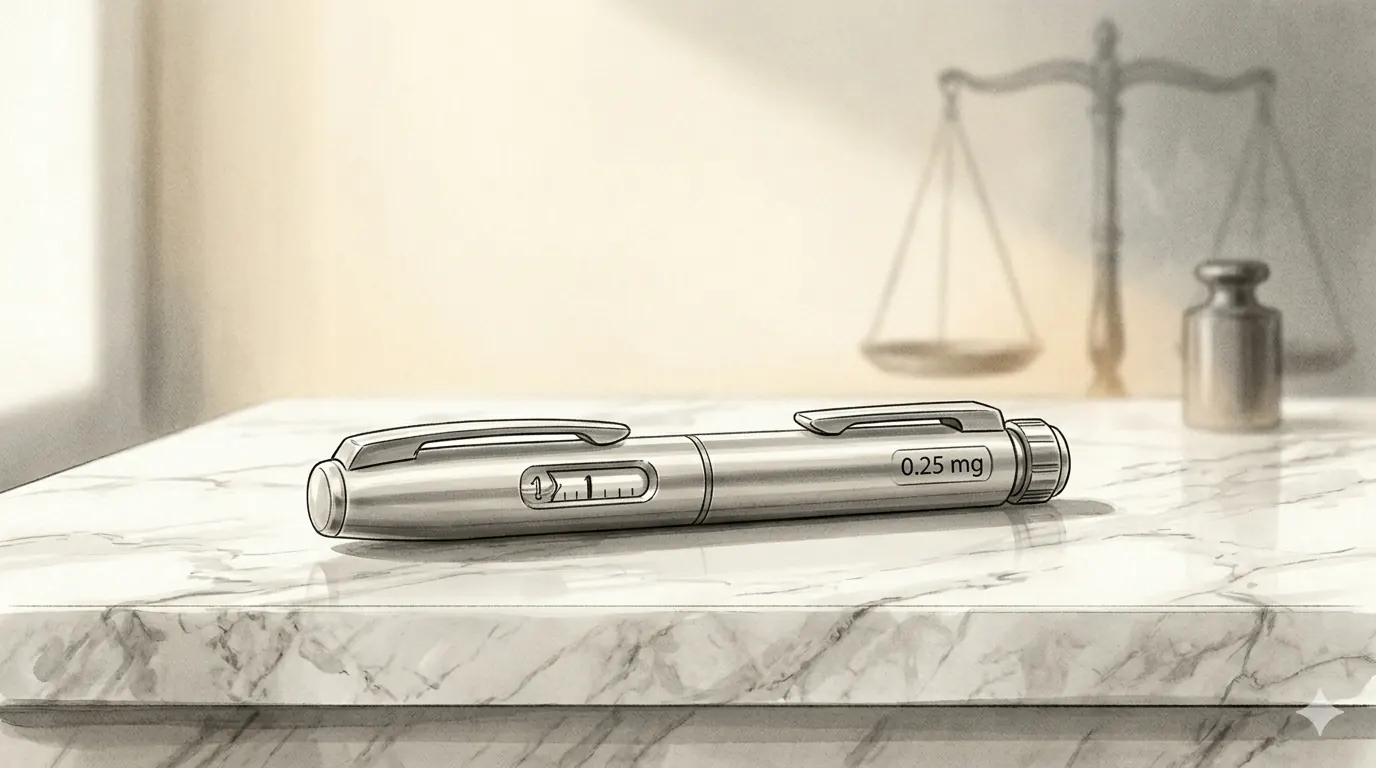
More than 4,000 Americans have filed lawsuits against the maker of Ozempic alleging they were never given adequate warnings about serious side effects. Cases include vision loss, kidney damage and deaths. And there are lesser-known side effects that scientists are just beginning to study.
Artificial intelligence has moved from academic promises to real clinical practice. In Spain, an electronic prescription system with AI has prevented more than 15,000 dangerous drug interactions since its activation. But experts warn of a critical distinction that the patient should be aware of.
The independent French magazine Prescrire publishes every year its list of approved drugs with more risks than benefits. In 2026, it includes antidiabetics, Alzheimer's drugs and decongestants. The question that always raises the list: if they have more risks than benefits, why are they still in the market?
44% of Spaniards consider the impact of AI on health to be positive. The problem is that many confuse general-purpose generative chatbots with validated clinical systems. The difference between the two can literally be the difference between a correct diagnosis and a damaging one. Osakidetza doctors have issued an urgent warning.
With an average 28.7% reduction in body weight over 68 weeks and results surpassing gastric bypass surgery in some patients, Eli Lilly's retatrutide is the most powerful obesity drug ever tested. But it still does not have regulatory approval.
The American HHS canceled funding for mRNA research through BARDA. The FDA rescinded its review of Moderna's mRNA flu vaccine. Researchers warn that political distrust of an already proven technology can delay the first cancer treatments that have been shown to reduce mortality by 49%.
Retatrutide does not have regulatory approval in any country. That hasn't stopped people around the world from starting to buy it online in unregulated versions made in China. Doctors are seeing patients appear in consultations who self-medicate with a compound whose complete safety profile is not yet known.
Ozempic, Wegovy, Mounjaro — GLP-1 drugs are the most talked-about medical development of the decade. Here's what they actually do and what the honest evidence shows.
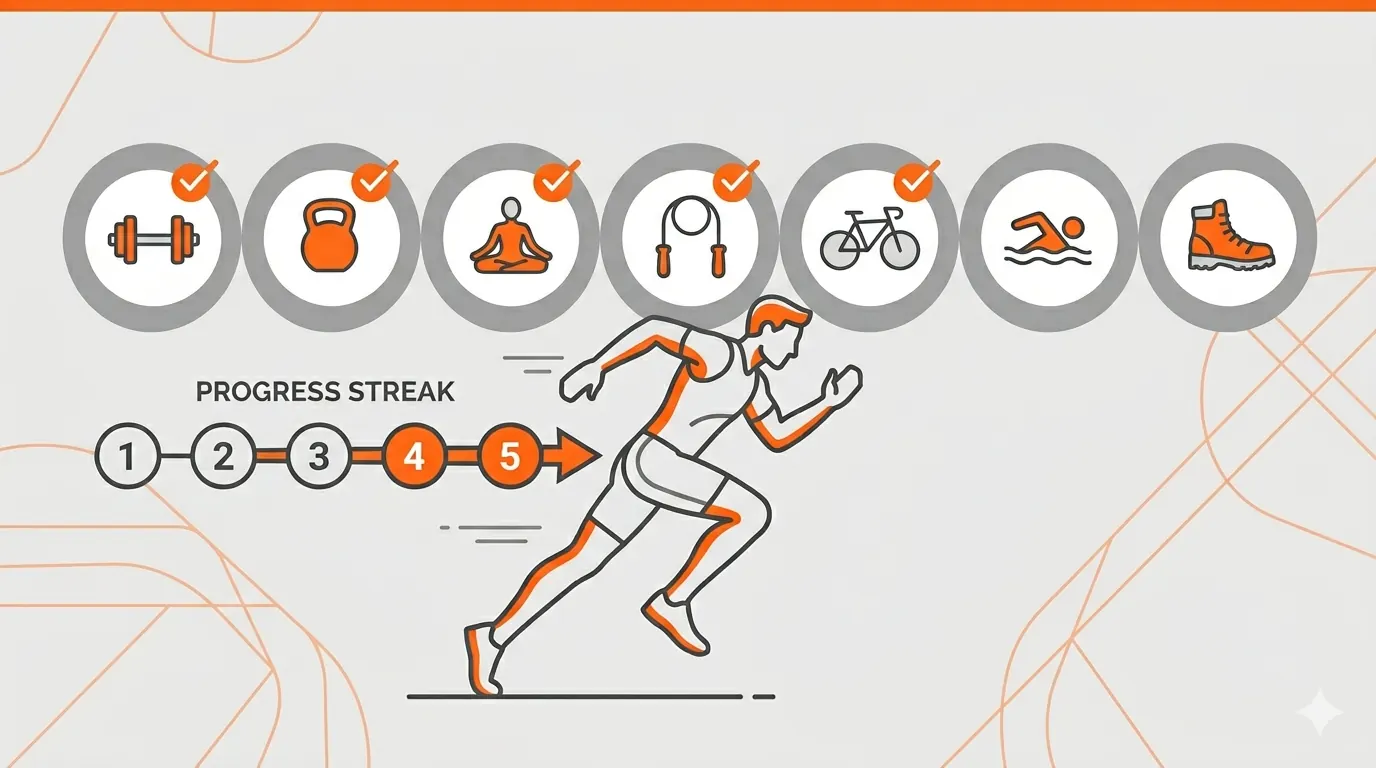
Most people quit within six weeks. The ones who don't aren't more motivated — they set things up differently. Here's what behavioral research shows works.
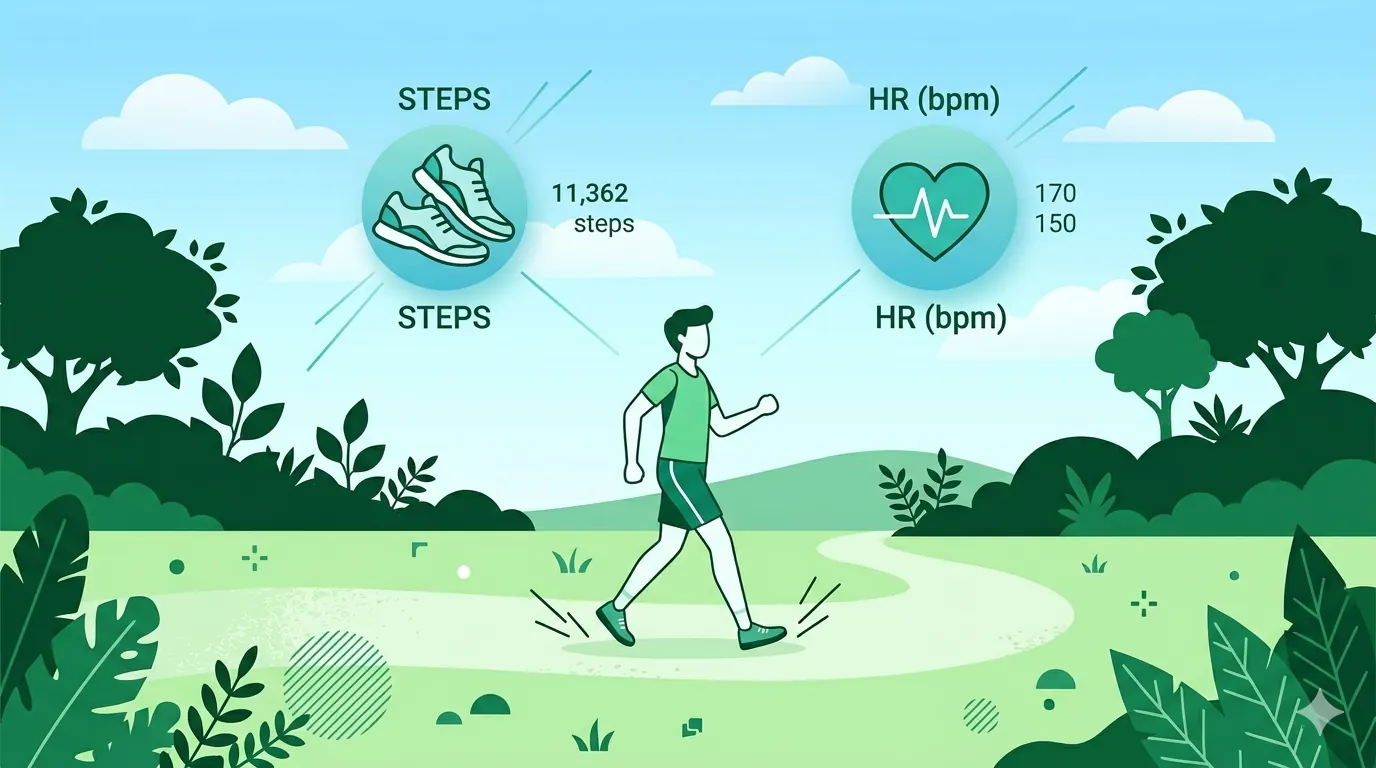
Walking is the most underrated health intervention available. Here's what the science says happens to your body and mind when you walk 30 minutes every day.
Poor sleep affects everything — your health, mood, focus, and longevity. Here are the evidence-based strategies that sleep researchers actually use themselves.

 Controversy