Cutting Through the "Superfood" Marketing
"Superfood" is a marketing word, not a scientific one. No single food turns you healthy or undoes a poor diet, and exotic, expensive berries are rarely better than ordinary local produce. That said, some everyday foods are genuinely dense in nutrients and well supported by evidence. The useful question is not "what is the magic food?" but "what should I eat more of regularly?" These ten earn their place.
Ten Foods That Genuinely Earn the Label
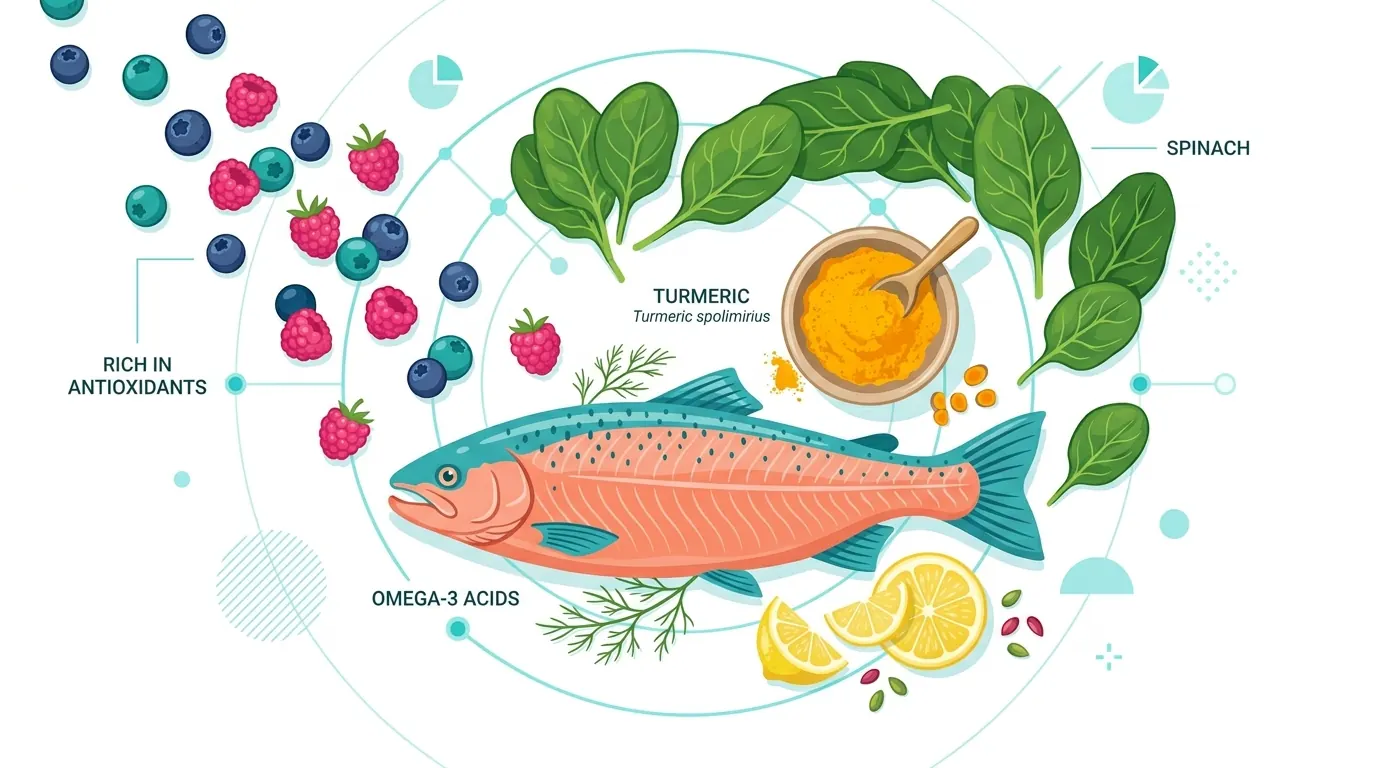
1. Leafy greens (spinach, kale). High in fibre, folate and vitamin K for very few calories. One of the highest nutrient returns per bite.
2. Berries. Rich in fibre and polyphenols linked to heart and brain health. Frozen are just as good and far cheaper.
3. Oily fish (salmon, sardines, mackerel). The best source of omega-3 fats for heart and brain. Tinned sardines are cheap and excellent.
4. Legumes (lentils, chickpeas, beans). Cheap, filling protein and fibre that support steady blood sugar and gut health.
5. Nuts (walnuts, almonds). A handful a day is associated with better heart health. Calorie-dense, so portion matters.
6. Fermented foods (yoghurt, kefir). Live cultures support a healthy gut microbiome. Choose plain, unsweetened versions.
7. Cruciferous vegetables (broccoli, cabbage). Fibre plus plant compounds studied for protective effects.
8. Eggs. An affordable, complete protein with key nutrients; the old fear over dietary cholesterol has largely been revised.
9. Olive oil. A core of the Mediterranean diet, rich in healthy fats and linked to lower heart-disease risk.
10. Whole grains (oats, brown rice). Fibre and slow-release energy that beat refined versions for satiety and blood sugar.
Why "Boost Your Immune System" Is Misleading
You cannot supercharge a healthy immune system by eating one food, and a stronger-than-normal immune response is not even desirable. What food actually does is supply the nutrients — vitamin C, vitamin D, zinc, protein — that the immune system needs to function normally. A varied, mostly whole-food diet covers these. The goal is to avoid deficiency, not to "boost" beyond normal.
The Pattern Beats Any Single Food
Decades of research point to the same conclusion: overall eating patterns matter far more than any individual ingredient. A plate built mostly from vegetables, legumes, whole grains, fish and healthy fats — broadly the Mediterranean pattern — consistently links to better long-term health. Adding kale to an otherwise poor diet changes little; shifting the whole pattern changes a lot.
Frequently Asked Questions
Are expensive exotic superfoods worth it?
Usually not. Ordinary local foods like spinach, lentils, oats and tinned sardines deliver comparable or better nutrition at a fraction of the price of imported "superfood" powders.
Can food really strengthen my immune system?
Food supports normal immune function by preventing nutrient deficiencies, but it cannot push immunity above normal, and you would not want it to. Eat a varied diet, sleep well and stay active.
Is frozen produce as healthy as fresh?
Yes, often more so. Frozen fruit and vegetables are picked and frozen at peak ripeness, retaining nutrients, and they cost less and waste less.
Sources
Share this article