The room where the data was presented was the same one that had applauded the first results in 2022: an international oncology conference where researchers usually move between scientific caution and contained emotion. When the five-year follow-up numbers for the personalized mRNA vaccine against melanoma were shown, the mood was different. There was no premature euphoria. There was something more serious: the feeling that the data were strong enough to change treatment protocols.
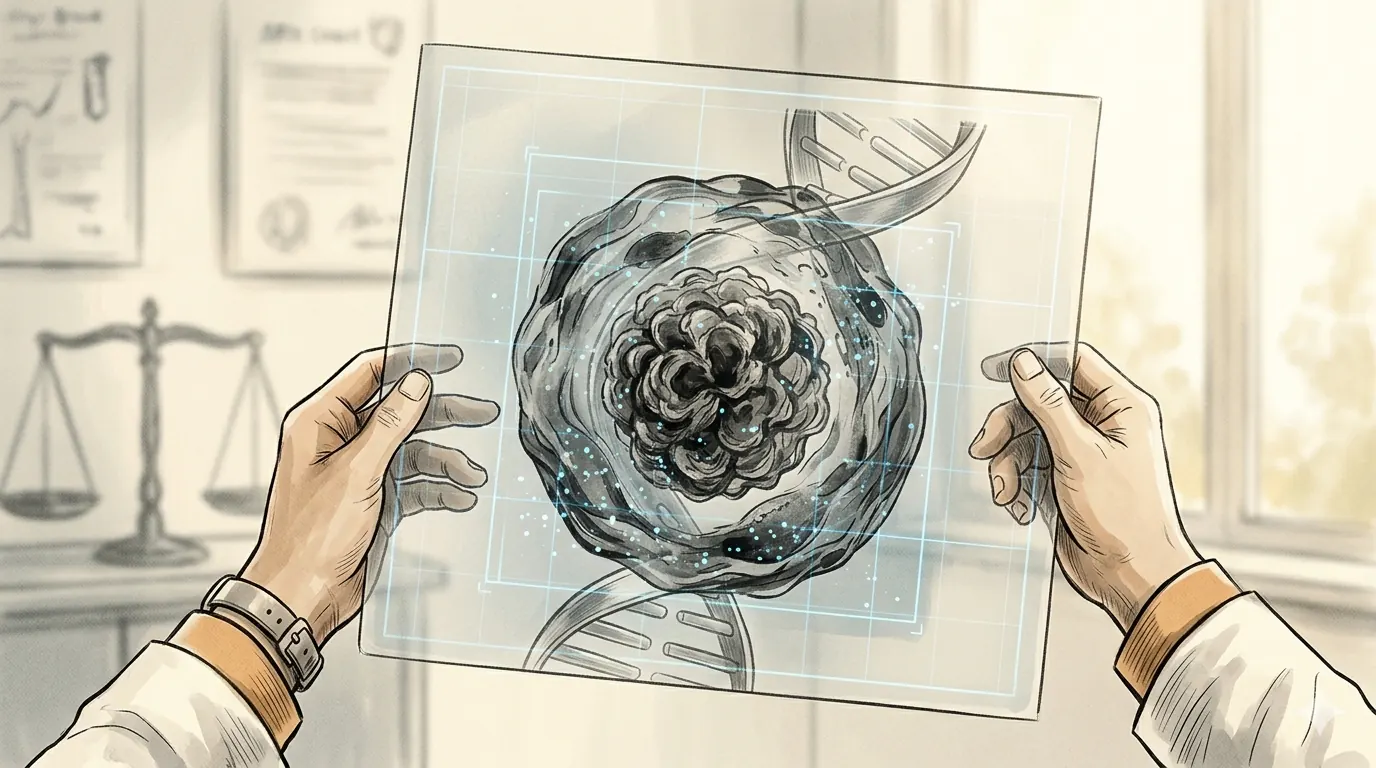
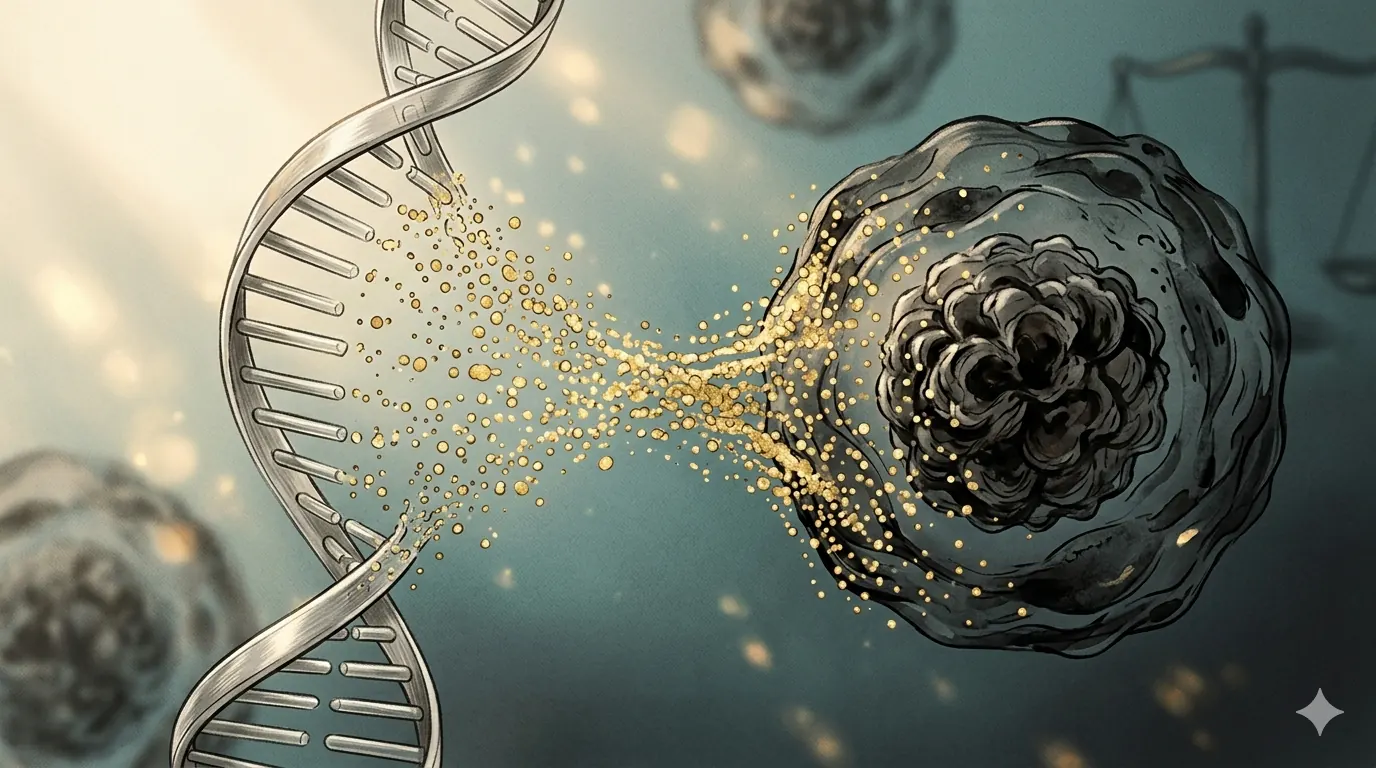
The vaccine, developed by Moderna and Merck under the technical name intismeran autogene (or mRNA-4157), works in a radically different way than conventional vaccines. It does not protect against an external pathogen. It trains the patient's immune system to recognize and attack tumor cells specific to their own cancer. To make it, researchers take a biopsy of the tumor, analyze the genetic mutations characteristic of those cancer cells—called neoepitopes—and design a personalized mRNA that teaches the immune system to identify those mutations as targets to eliminate.
Five-year data: what it really means
In the Phase 2 trial, combining the personalized vaccine with Keytruda (Merck's immunotherapy drug pembrolizumab) reduced the risk of relapse or death in patients with high-risk melanoma surgery by 49% at five years, compared to treatment with Keytruda alone. That result is consistent with the three-year follow-up data published in 2023, which is hugely relevant: it means that the benefit does not disappear over time.
5-year results — mRNA-4157 + Keytruda vs. Keytruda only
- Reduction in the risk of relapse or death: 49%
- Type of melanoma: high risk, surgically resected
- Consistency with 3-year data: confirmed (long-lasting effect)
- Current phase: ongoing phase 3 trial (confirmation in larger number of patients)
- Next tumors under evaluation: kidney, bladder, lung, pancreas, colorectal
- Projection of new melanoma cases in the US in 2026: ~112,000
In oncology, five years of follow-up is the threshold that clinicians consider relevant to talk about lasting benefits. Treatments that work well after six months but fade afterward do not change long-term prognosis. The personalized mRNA vaccine shows that its effect is sustained—making it a serious candidate for modifying standard high-risk melanoma treatment protocols once Phase 3 data are available.
The unexpected brake: post-COVID distrust
The development of these therapeutic vaccines faces an obstacle that researchers did not expect a few years ago: distrust towards mRNA technology generated by the politicization of COVID-19 vaccines. Ryan Sullivan, director of the Melanoma Center at the Brigham Cancer Institute at Massachusetts General Hospital, openly acknowledged in statements to CNN that this mistrust has sometimes made it difficult to recruit participants for clinical trials.
The situation is paradoxical: the same technology that was the subject of conspiracy theories during the pandemic is producing the most promising advances in oncology in decades. In the United States, the federal government's position adds another layer of complexity: the Department of Health canceled funding for mRNA research through BARDA, and the FDA initially canceled its review of Moderna's mRNA flu vaccine, although it later agreed to reconsider. The American political climate regarding mRNA is adverse at a time when the technology most needs to advance.
Towards a broader horizon
Beyond melanoma, BioNTech is conducting trials with its BNT116 vaccine for lung cancer, and there are active programs for pancreatic, colorectal and prostate tumors. The personalized manufacturing model—a different vaccine for each patient, based on the specific mutational profile of their tumor—is the most promising conceptually but also the most logistically and economically complex. If efficacy can be demonstrated in multiple types of tumor, the next challenge will be to find a way to produce these vaccines at a cost that allows their widespread use in public and private health systems.
Clinical perspective: mRNA vaccines for cancer are therapeutic, not preventive. They do not prevent cancer from appearing: they help the immune system fight it once diagnosed. The goal is to make them part of the standard arsenal of oncological treatment, along with surgery, chemotherapy and immunotherapy.
Share this article