The Most Underrated Health Habit There Is
Walking gets dismissed as too gentle to matter, which is exactly why it is the most underrated health intervention available. It needs no equipment, no gym and no skill, and the evidence behind it is enormous. A brisk 30-minute walk most days lowers the risk of heart disease, type 2 diabetes and several cancers, improves mood and sleep, and is one of the few habits people actually sustain for decades because it is so easy to start.
What 30 Minutes a Day Actually Does
Large population studies consistently link regular moderate walking with lower all-cause mortality — meaning walkers simply live longer on average. The benefits are wide-ranging: better blood pressure and cholesterol, steadier blood sugar, stronger bones, and a measurable lift in mood thanks to the effect of rhythmic movement and daylight on the brain. You do not have to walk fast; you have to walk regularly.
The Truth About "10,000 Steps"
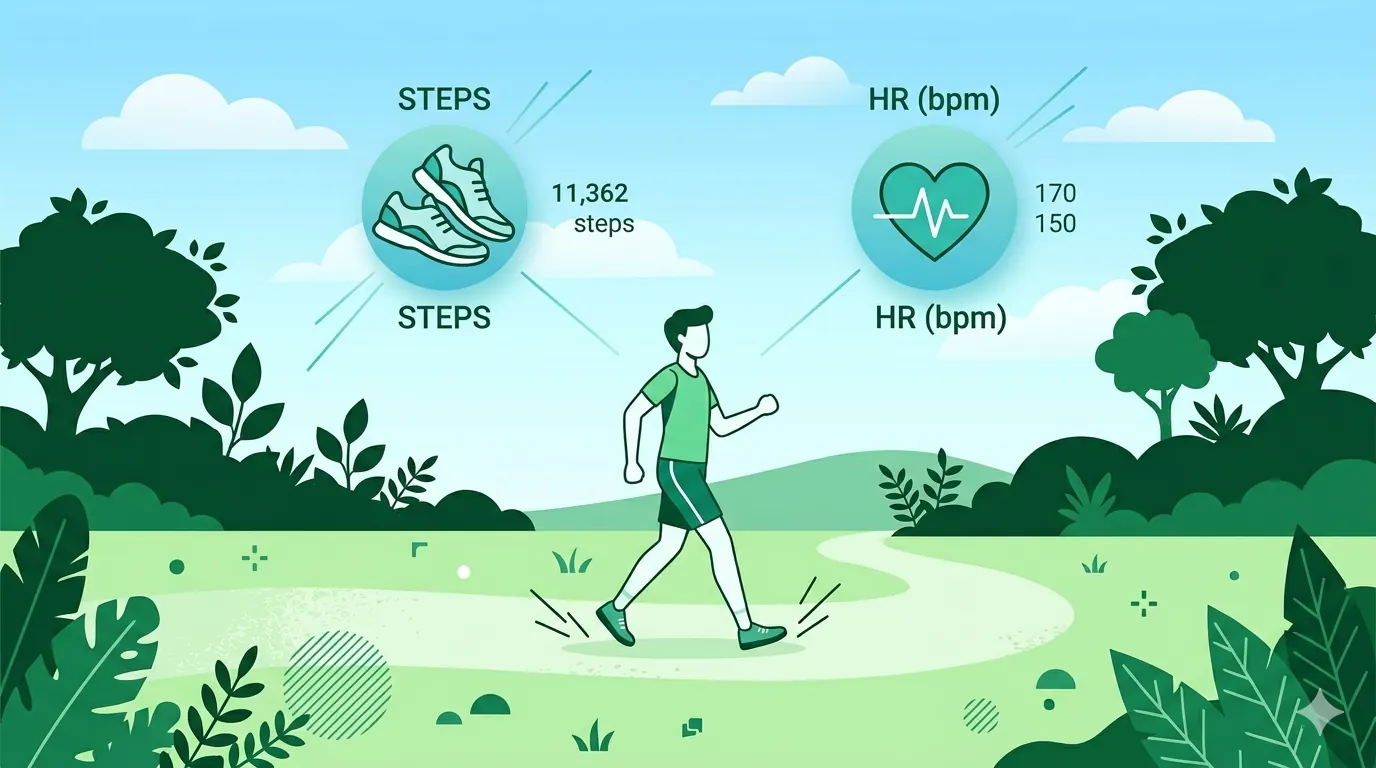
The famous 10,000-step target came from a 1960s marketing campaign, not science. The reassuring reality is that most of the health gains arrive far earlier. Research suggests the sharpest drop in mortality risk happens between roughly 4,000 and 7,500 steps a day, with benefits continuing to rise more gently after that. If 10,000 feels impossible, aim for 7,000 — you are capturing the large majority of the benefit.
How to Make It Stick
1. Anchor it to something you already do. Walk after lunch, or to and from a transport stop. Attaching the habit to an existing routine beats relying on motivation.
2. Start smaller than feels necessary. Ten minutes a day for two weeks builds the habit; you can lengthen it later. The goal early on is consistency, not intensity.
3. Make it pleasant. A podcast, music or a walking companion turns the walk into something you look forward to rather than a chore.
4. Walk a little faster. Once the habit exists, a brisk pace where you can talk but not sing adds cardiovascular benefit without extra time.
Brisk Versus Strolling
Both count, but pace matters. A brisk walk that mildly raises your heart rate and breathing delivers more cardiovascular benefit per minute than a slow stroll. That said, any walking beats none, and an enjoyable slow walk you actually do is worth more than a brisk one you skip. Build the habit first, then nudge up the pace.
Frequently Asked Questions
Is walking enough exercise on its own?
For general health, regular brisk walking covers most of what guidelines recommend for aerobic activity. To round it out, adding two short strength sessions a week protects muscle and bone, especially as you age.
Does it matter if I split it into shorter walks?
No. Three 10-minute walks deliver similar benefits to one 30-minute walk, which makes the habit much easier to fit into a busy day.
What if I have joint problems?
Walking is low-impact and usually well tolerated, and movement often helps joint stiffness. If you have a specific condition or pain, check with a clinician about pace and supportive footwear before increasing your distance.
Sources
Share this article