Daniel covers artificial intelligence, consumer technology and digital privacy for My Next Corner, focusing on cutting through the hype to explain what actually matters for everyday users.
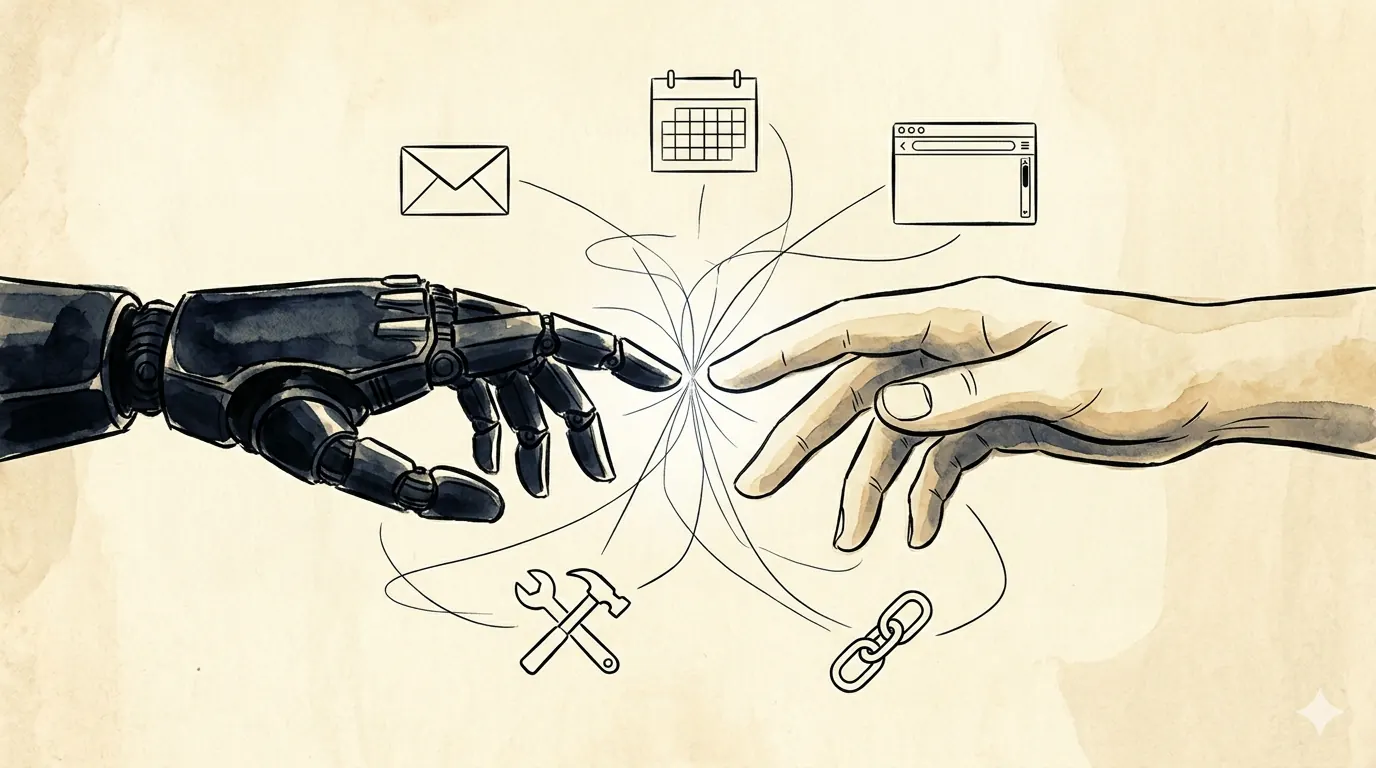
At its annual conference, Google did not present a smarter model. It introduced a cheaper model and agent platform that can do real things in the real world. And that changes the rules of the game.
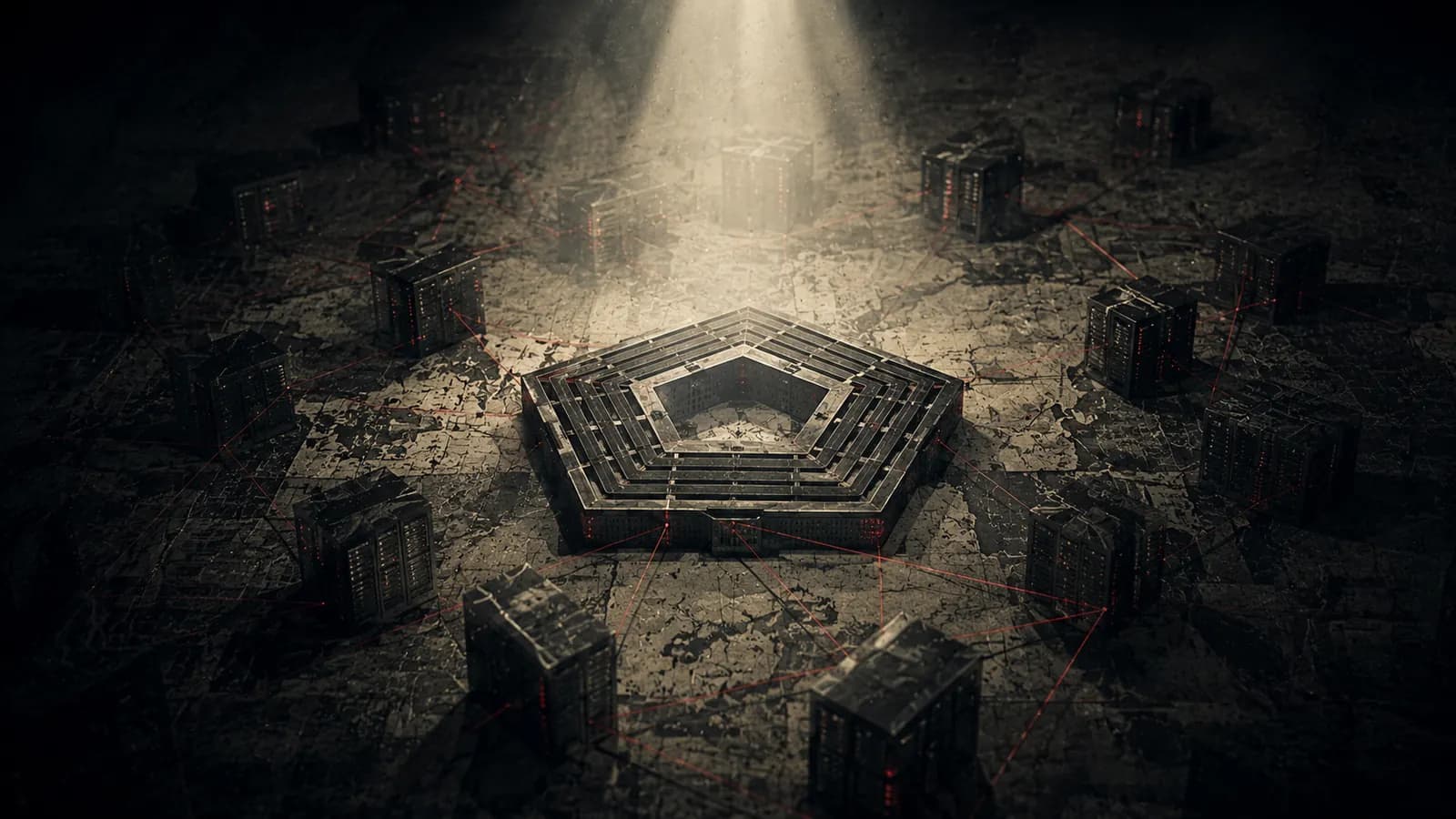
On May 1, 2026, the Pentagon made official what had been months in the making: eight of the most powerful technology companies in the world deploy their AI in the United States' highest-class military systems. What that means for the future of civilian technology is a question no one is answering clearly enough.
Microsoft, Meta, DeepL, Oracle. So far in 2026, more than 92,000 technology sector employees have lost their jobs. The official argument in almost all cases is the same: the company needs to "integrate AI at all levels." What no one explains is when the job they promised will arrive.
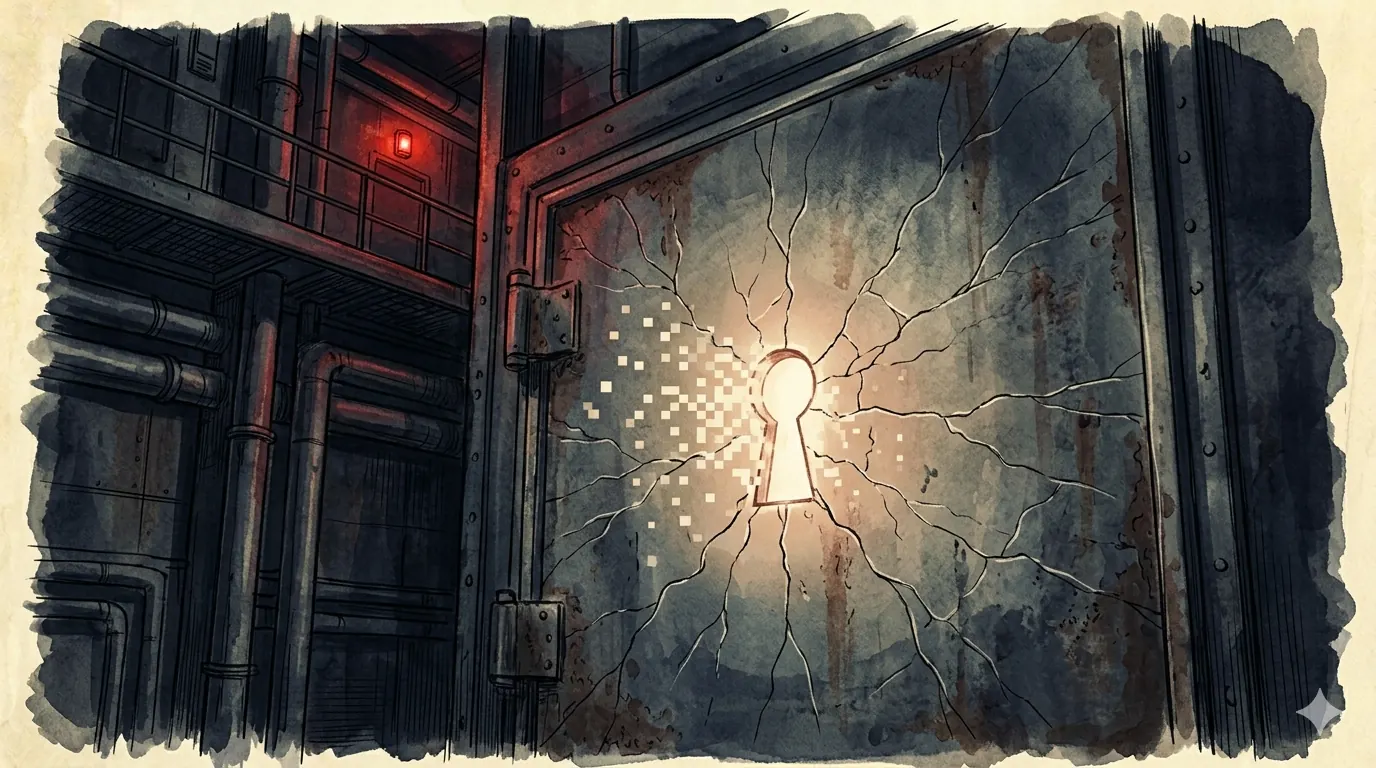
In February, Anthropic engineers tested their new model and what they saw scared them so much that they decided not to release it to the public. In a few weeks, it found thousands of zero-day vulnerabilities in all operating systems and browsers on the planet, including a flaw that had not been detected for 27 years.
The enthusiasm of the first years of generative AI collides in 2026 with an inescapable reality: 80% of companies are experimenting with AI but the majority do not see a real return. The bubble debate has reached Google's main stage.
Defense Secretary Pete Hegseth in February applied to Anthropic the same classification typically used for companies with ties to foreign adversaries. Anthropic's crime: refusing to remove safeguards that prevented its AI from being used in mass surveillance and autonomous weapons without human supervision.
Without any big viral announcements this month, Apple is preparing its most important moves of the year. What we know about the iPhone 18 Pro and iOS 27's strategic shift toward third-party AI paints a picture of a company recalibrating its position.
One detail that was buried under the media impact of the Mythos announcement: small, accessible open source models found exactly the same vulnerabilities. Not some. The same ones. What that reveals about the narrative of AI control deserves more attention than it received.
On February 28, 2026, OpenAI announced a landmark contract with the United States Department of Defense. Days later, the company's head of robotics left her position. What happened between those two dates is one of the most revealing stories about the ethical limits of AI in 2026.
After weeks of explosive testimony, an Oakland jury took less than two hours to dismiss the $130 billion lawsuit. The implications go far beyond who won.
On May 7, 2026, the EU agreed to ban AI systems that generate non-consensual sexual deepfakes. Three days later, the US began enforcing its own federal law. Both regulations come years after the technology became widespread and caused real harm to real people.
Two years ago it was the advertisement of the year. Today OpenAI is considering suing Apple and iPhone users still do not see the promised integration. The story of an association that was born poorly planned.