Apple didn't have its big moment in May. Google made headlines with I/O, OpenAI was everywhere due to the Musk trial, and the Cupertino company remained in the background unusually for its standards. But under that apparent calm, two of the most significant movements that the company will make in 2026 are brewing: the opening of iOS 27 to third-party artificial intelligence, and the launch of the iPhone 18 Pro in September with a set of technical improvements that, on paper, represent the most important generational leap in the Pro line in years.
The contrast with the situation two years ago is striking. In June 2024, Apple took the stage at WWDC and presented Apple Intelligence as its big bet on AI, with the integration of ChatGPT as the most striking element. The promise was that the iPhone was going to be the smartest device on the market. Two years later, that promise has not fully materialized, integration with OpenAI has deteriorated, and Apple is redesigning its real-time AI strategy.
iOS 27 and the opening that no one expected
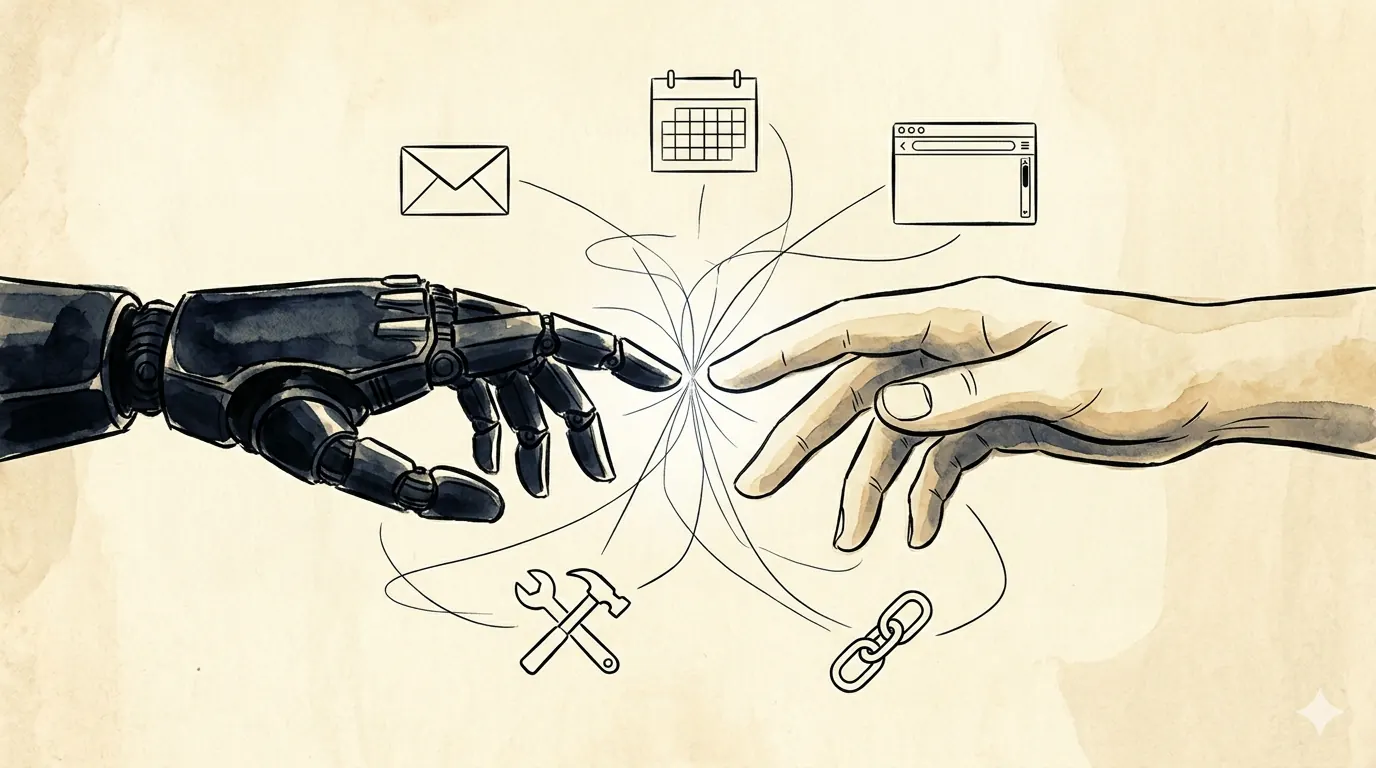
The decision to open iOS 27 to third-party artificial intelligence is a significant strategic shift for a company that has historically preferred to control the entire user experience. Until now, Apple Intelligence meant Apple's own models with ChatGPT as the only controlled exception. With iOS 27, the company appears willing to allow other models—Gemini, Claude, potentially others—to integrate more deeply into the operating system.
The reasons for this change are understandable. The speed of development of large language models is such that any company trying to build all of its AI in-house will inevitably find itself outpaced in some dimension by specialists. Apple can be extraordinarily good in chips, in privacy, in hardware-software integration, in user experience; but it cannot simultaneously compete with the most advanced AI laboratories in the world in the development of frontier language models.
Apple may be extraordinarily good at chips and privacy, but it can't simultaneously compete with the world's largest AI labs.
Openness to third parties is, in that sense, an expression of strategic maturity. Apple recognizes that its competitive advantage is not in having the best language model, but in having the best integration of those models into a coherent, private and reliable user experience. If you can get the world's best models to run flawlessly on your devices while controlling privacy and experience, you'll have found your niche in the AI ecosystem without needing to win the model benchmark race.
iPhone 18 Pro: what to expect in September
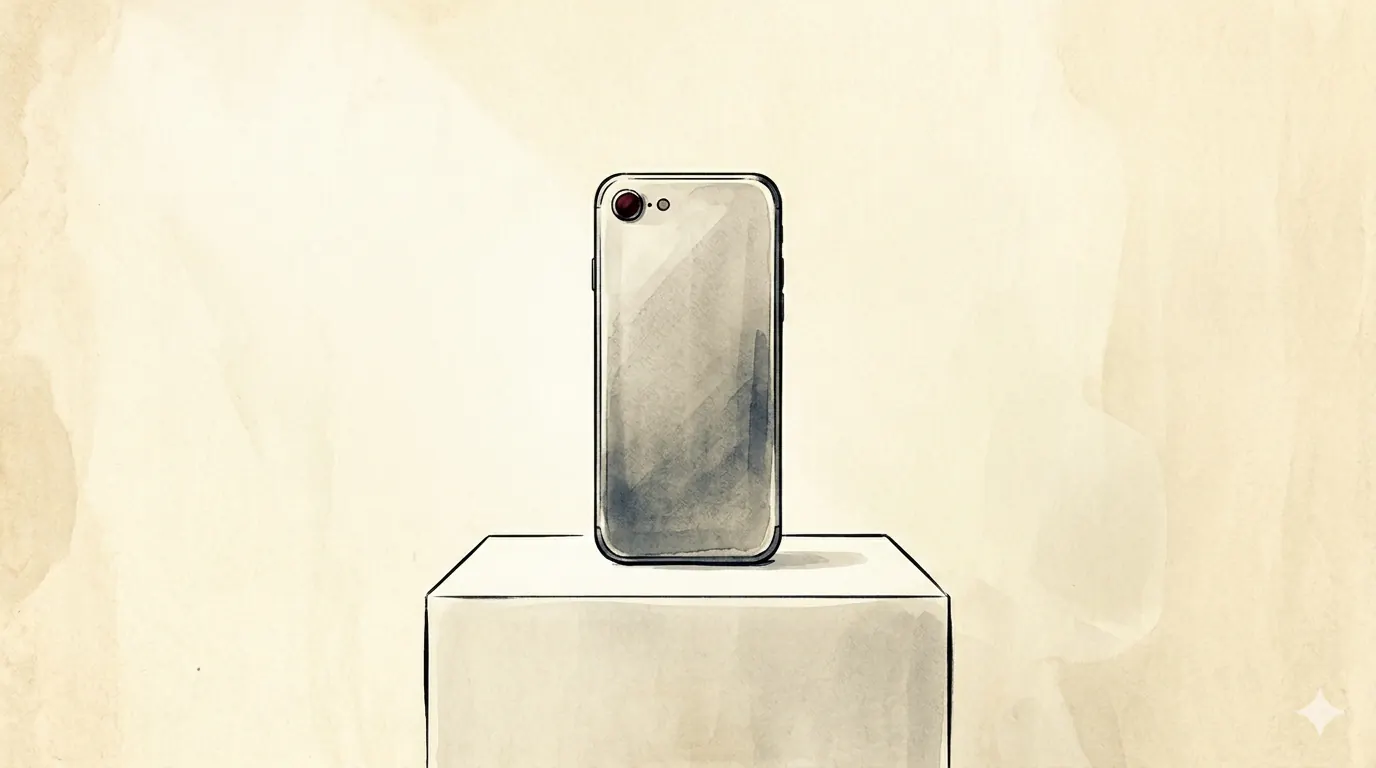
For the iPhone 18 Pro and 18 Pro Max, which Apple is expected to launch in September, analysts have compiled a set of new features that, if confirmed, would make this the most ambitious redesign of the Pro line since the iPhone 15. It is worth reviewing the most important ones.
In the front camera design section, the most visible novelty would be a significantly smaller Dynamic Island, thanks to the integration of part of the Face ID system under the screen. Under-screen Face ID has been a recurring rumor for years, and there are indications that Apple has finally resolved the biometric accuracy problems that had hindered its implementation.
The A20 Pro chip, made with 2 nanometer architecture, would represent the most advanced manufacturing process ever seen in a consumer phone. For end users, what matters is not the nanometers but their practical consequences: more computing power with lower energy consumption, which in turn can translate into substantial improvements in autonomy.
iPhone 18 Pro — News expected for September 2026
- Smaller Dynamic Island with Face ID partially under the screen
- A20 Pro chip manufactured in 2 nanometers (new efficiency record)
- Own C2 modem with 5G satellite connectivity
- Main camera with variable aperture (greater versatility in all environments)
- LTPO+ displays: notable improvement in battery life
- New color "Dark Cherry" along with the usual colors
- Ceramic Shield rear with new frosted finish
The own modem and 5G satellite
Perhaps the most relevant novelty from a technological and strategic point of view is the C2 modem, the second generation of the connectivity chip that Apple designs internally. The transition to its own modems is part of the company's strategy to reduce its dependence on Qualcomm, which for years was the exclusive supplier of modems for the iPhone.
The C2 would provide 5G satellite connectivity, a feature that goes beyond the emergency satellite connectivity that Apple introduced in the iPhone 14 and that allows SOS messages to be sent when there is no cellular coverage. Commercial satellite 5G would significantly expand connectivity possibilities in rural or remote areas, and could change the iPhone's value proposition for segments of users who currently do not consider high-end phones because they live or work in areas with poor cellular coverage.
The camera: variable aperture and the end of optical limitations
The main camera of the iPhone 18 Pro would incorporate variable aperture, a feature that has considerable implications in photography. Until now, all iPhone cameras have had a fixed aperture: excellent in low-light conditions thanks to wide apertures, but without the ability to reduce that aperture to achieve greater depth of field or to shoot in bright conditions without needing to reduce the shutter speed.
A variable aperture allows the system to choose the optimal aperture for each scene, something that SLR or mirrorless camera photographers take for granted but which until now was a notable limitation of high-end smartphones.
On the software side, the philosophy that will guide iOS 27 – a system that according to early information is committed to fewer flashy new features and more internal optimization and performance work, in line with what Snow Leopard was for macOS in 2009 – suggests that Apple is prioritizing stability and efficiency over surface novelties. In a context in which the company has just gone through months of controversy over promised and undelivered AI features, a commitment to strength over spectacle may be the smartest decision.
Share this article