There are years that concentrate more history than others. 2026 has all the ingredients to be, in the Spanish case, one of those years that are remembered in textbooks: the first indictment of a former president, the greatest diplomatic tension with the United States since democracy, the most severe housing crisis since the real estate bubble, the debate on the tourism model that divides society, and regional elections that act as a thermometer of the mood of a country that is subject to too many simultaneous tensions.
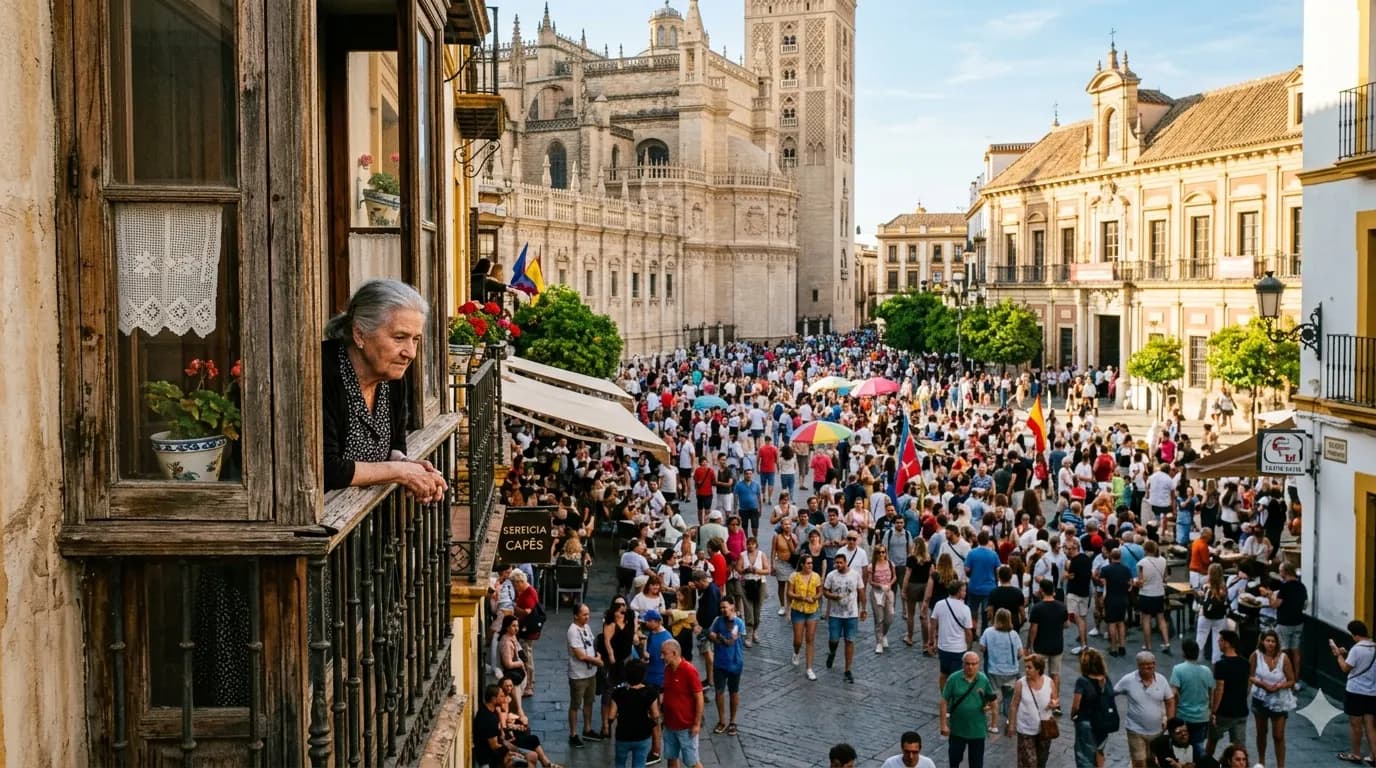
The elections of May 17 in Andalusia were the first with the controversies of 2026 as a backdrop. The community with the most tourists in the country, the one that debates most intensely about the effects of mass tourism on housing and daily life, and the one that has been the scene of some of the most striking episodes on the national political agenda. The results and their interpretation will mark the political pulse for the remaining months of the year.
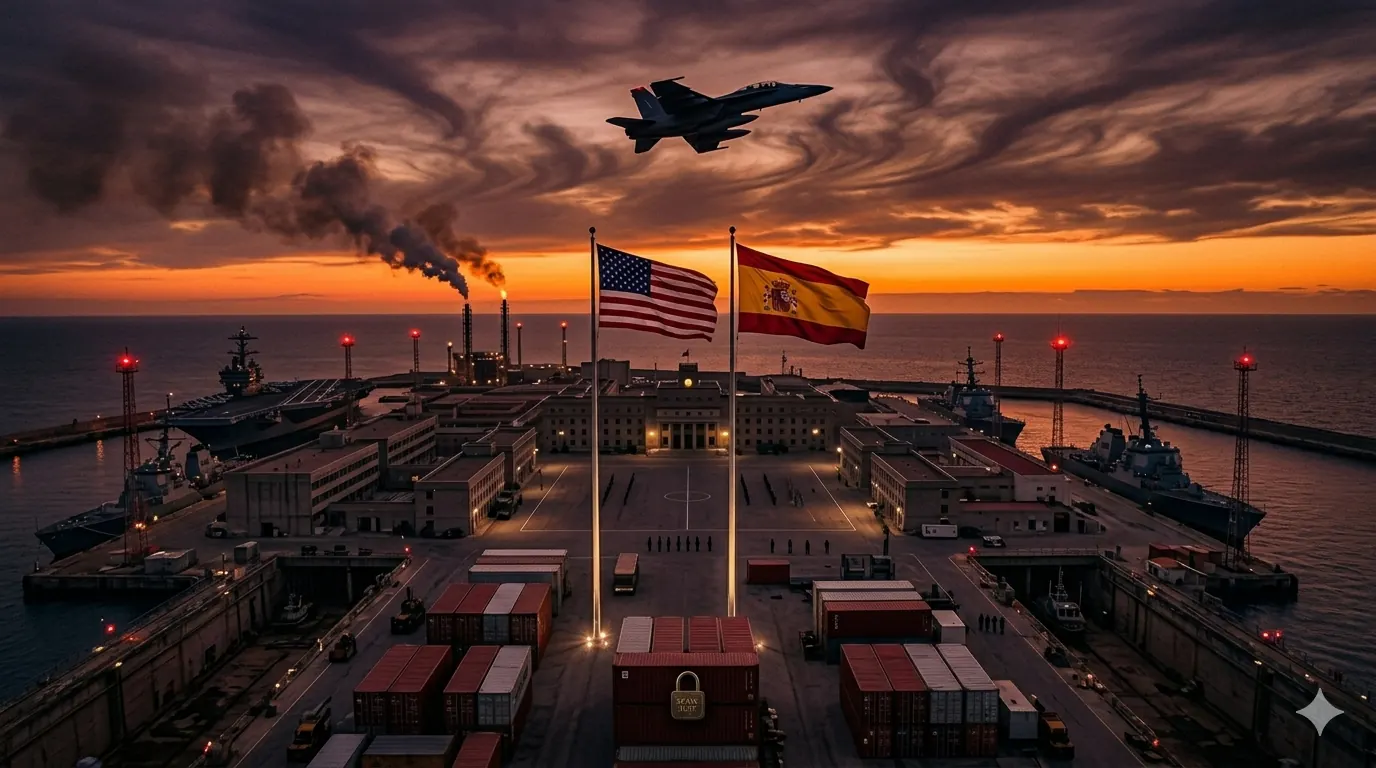
The debate on defense spending: can Spain pay for it?
Spain currently allocates around 1.3% of its GDP to defense spending, far from the 2% objective agreed upon in NATO and even further from the 5% that Trump demands. Reaching 2% would imply an increase in spending of several billion euros annually. Reaching 5% would require a budgetary effort that no European country, including the richest and most committed to NATO, is even close to meeting.
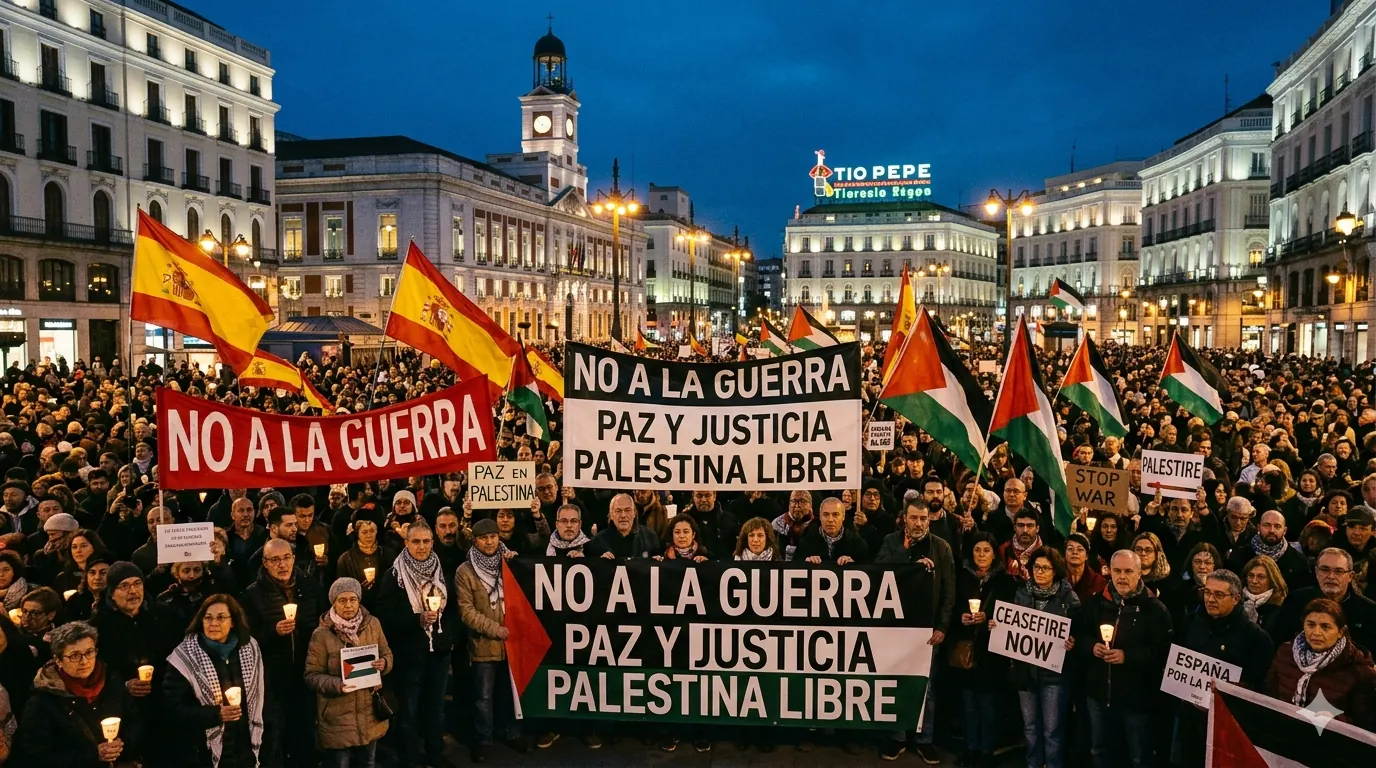
The Government's position is that Spain will gradually increase its defense spending until it reaches 2% within a reasonable period, but that Trump's 5% is politically unviable and economically irresponsible in a country that continues to have structural deficits to finance. Within the government coalition, Sumar maintains a more critical position with the increase in military spending, arguing that resources should be prioritized for housing, health and education. The tension between government partners on this point is real and persistent.
Spain 2026 · The year of the crossroads
- May 19: Zapatero charged in the AN · first former Spanish president investigated
- May 17: elections in Andalusia · tourism and housing at the center of the debate
- Current defense spending: ~1.3% GDP · NATO objective: 2% · Trump demand: 5%
- Judicial cases against the Government environment: Begoña Gómez, Ábalos case, Koldo case, Plus Ultra case
- Housing crisis: 50 candidates/flat · rents at 40% of income
- Bilateral tension with the US: the highest since the restoration of democracy
Judicialization and wear and tear
The phenomenon of the judicialization of Spanish politics is not new, but in 2026 it has reached a new dimension with the indictment of Zapatero. The Government and its allies denounce a "lawfare" - a legal war - orchestrated by judges with political biases and supported by media sympathetic to the opposition. The opposition and its allies argue that the judicial cases are the inevitable result of irregular behavior by people in the environment of power.
What is clear, regardless of the political assessment made of each specific case, is that the accumulation of judicial fronts - Begoña Gómez, Ábalos, Santos Cerdán, Koldo, Plus Ultra and now Zapatero - is generating sustained political wear on the Government that affects its ability to manage the rest of the agenda. Government communication is permanently in defensive mode, responding to judicial developments instead of projecting its own initiatives.
Long-term perspective: Spain faces three structural challenges in 2026 that have no solution in one mandate: the housing crisis —which requires a massive increase in supply for at least a decade—, the debate on the tourism model —which involves choosing between economic growth and quality of life for residents—, and repositioning in the new geopolitical order —which requires deciding what type of ally Spain wants to be in a more polarized world. The day-to-day controversies are noise about these underlying questions.
Share this article