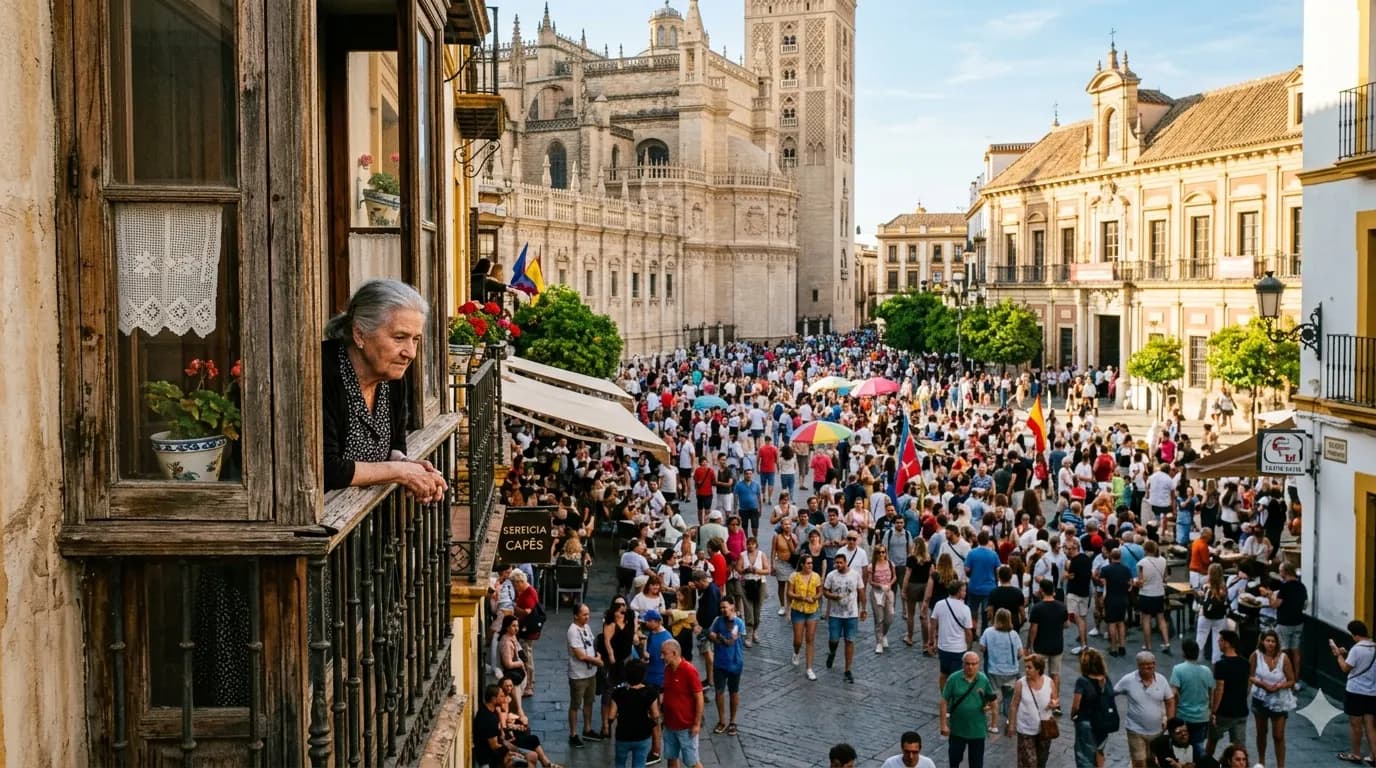
Spain is, by any metric used, one of the most important tourist powers in the world. The year 2025 broke all records: 37.9 million tourists in Andalusia alone, a figure that places that community as one of the most visited destinations in Europe. At the national level, the tourism sector moves 17% of the Spanish GDP and generates direct and indirect jobs for millions of people. These are the figures that appear in the headlines and in government speeches when tourism is discussed as an economic engine in Spain.
But there are other figures, less cited in institutional statements, that tell a different story. In the Balearic Islands, the archipelago that best illustrates extreme tourism dependence, tourism generates 45% of the regional GDP. And at the same time, more than 35% of the Balearic population is at risk of poverty and social exclusion, with unemployment rates of 20%. It is the central paradox of the Spanish tourism model: it generates aggregate wealth that enriches the country in macroeconomic statistics, but that wealth is not distributed in a way that benefits the local populations of the most crowded destinations.
The mechanism of expulsion
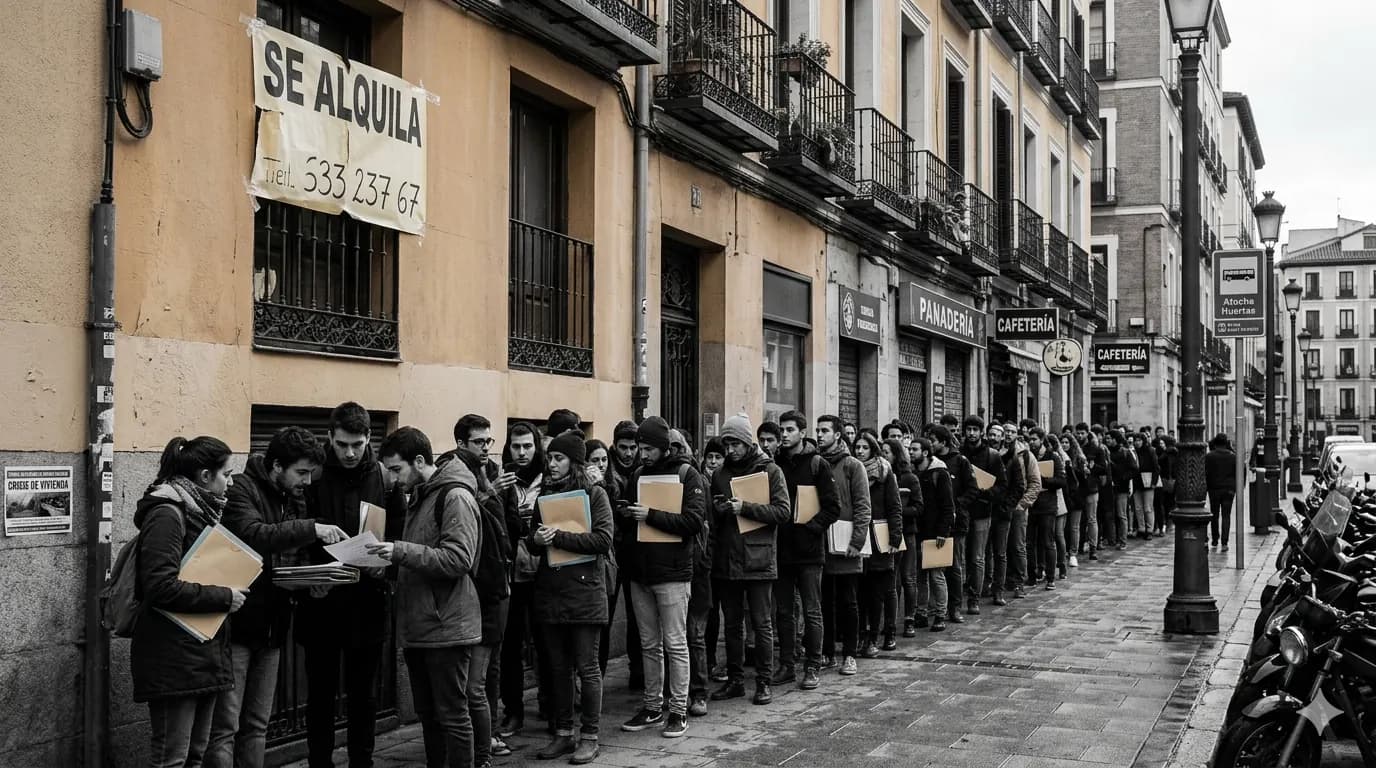
The process by which mass tourism can impoverish local populations, counterintuitively, works through several well-documented mechanisms. The first is real estate: tourism raises the price of land and housing in the most visited areas, making housing inaccessible for those who work in the tourism services sector with medium and low salaries. The hotel or restaurant worker who supports the tourism industry may find himself unable to pay rent in the same city where he works.
The second mechanism is labor: mass tourism tends to generate low-skilled, seasonal and poorly paid employment. Well-paying jobs in the sector—hotel management, tourism marketing, technology—are in the minority. The majority of tourism employment is in cleaning, hospitality and commerce, sectors with high temporality, low salaries and little savings capacity. The third mechanism is that of services: the tourist commercialization of urban centers displaces local commerce aimed at residents, makes restaurants more expensive and turns historic neighborhoods into theme parks for visitors, emptying them of local daily life.
The paradox of Spanish tourism · Data 2025–2026
- Tourists in Andalusia 2025: 37.9 million · historical record
- Tourism contribution to Spanish GDP: 17%
- Balearic Islands: tourism = 45% of GDP · poverty and exclusion = 35% of the population
- Málaga, Madrid and Barcelona: cities with the highest concentration of tourist apartments
- Tourist apartments in Spain: estimated at more than 340,000 in 2026
- Supreme Court May 2026: overturned part of the decree on tourist apartments that required a unique registration number
The Supreme Court ruling and the regulatory battle
In May 2026, the Supreme Court struck down part of the Royal Decree of December 2024 that obliged owners of tourist apartments to obtain a unique number from the Property Registry to be able to advertise on platforms such as Airbnb or Booking. The sentence is significant because it eliminates a control mechanism that the Government had designed to improve the traceability of the illegal tourist offer. With the ruling, part of that offer is once again in regulatory limbo.
The battle between city councils that want to limit mass tourism and platforms and owners who want to preserve their freedom to rent is one of the most persistent tensions in Spanish politics in recent years, and there is no simple solution. The most affected cities – Barcelona, Madrid, Palma, Seville – have limited powers to regulate a sector that operates on global platforms that often bypass local controls.
Share this article