There are economic indicators that can be debated. The state of the rental market in Spain in 2026 is not one of them. The data is conclusive, widely documented and produces the same diagnosis regardless of the source: the residential rental market in the large Spanish cities is at the limit of its possibilities, and for millions of people—especially young people—accessing decent housing has become the central problem of their lives.
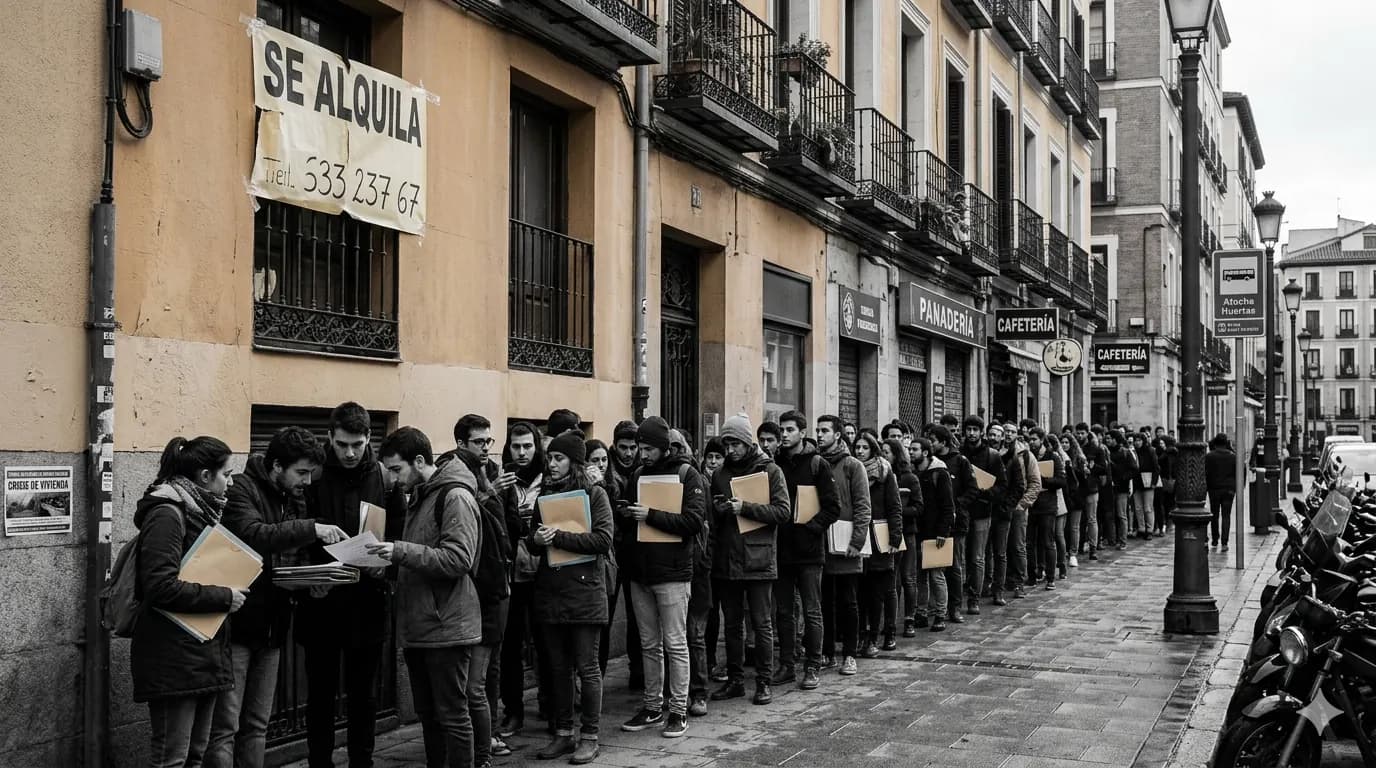
The most shocking figure from the Rental Observatory for May 2026 is not the price - although the prices are high - but the competition: more than 50 candidates for each available home in the main cities. Fifty people sending their application, their income documentation, their guarantees, to get an apartment. The relationship between supply and demand is so imbalanced that landlords can choose from dozens of creditworthy candidates, creating a de facto market in which winning a rental bid increasingly looks like winning an opposition.
40% of income: the threshold that the UN considers unsustainable
The United Nations and most international housing organizations use the 30% income threshold as the maximum sustainable spending on housing. Above that level, housing spending begins to compress the rest of essential consumption—food, health, transportation—and becomes a trap that hinders savings and individual economic progress.
In Spain, young people and workers in large cities allocate more than 40% of their income to rent according to data from the Observatory. In cities such as Madrid, Barcelona, Palma de Mallorca or San Sebastián, this percentage can exceed 50% for lower-income profiles. The social consequence is visible: delay in emancipation, in the formation of families, in birth rates; migration of qualified young people to more affordable cities or abroad; and a growing perception that the economic system does not work for those who do not inherit real estate.
Rental crisis in Spain · May 2026
- Candidates per available housing in large cities: more than 50
- Percentage of income allocated to rent: more than 40% (young people and workers)
- Catalonia: projection of up to 96,742 fewer properties in the rental market
- Cádiz: estimated reduction of 26.8% in rental supply
- Main cause of offer withdrawal: Housing Law 2023 — owners take apartments off the market
- Additional factor: tourist apartments compete with residential rentals in stressed areas
The Housing Law and the paradox of stressed areas
The Housing Law of 2023, approved by the Sánchez Government as a central measure to tackle the housing crisis, has produced an effect that its defenders did not expect and that its critics warned from the beginning: in areas declared "stressed" - where limits are applied to rental prices - many owners have decided to remove their homes from the residential rental market rather than submit to the new restrictions. The result is that the price intervention has reduced supply, aggravating the shortage it was supposed to resolve.
The projections are devastating. Catalonia, the first community to declare stressed areas, could lose up to 96,742 properties from the rental market. Cádiz anticipates a 26.8% cut in the available supply. The owners have not disappeared nor have they stopped collecting rents: they have migrated towards tourist rentals – where platforms such as Airbnb or Booking offer much higher returns and less regulation – or towards direct sales.
Tourism as an accelerator of expulsion
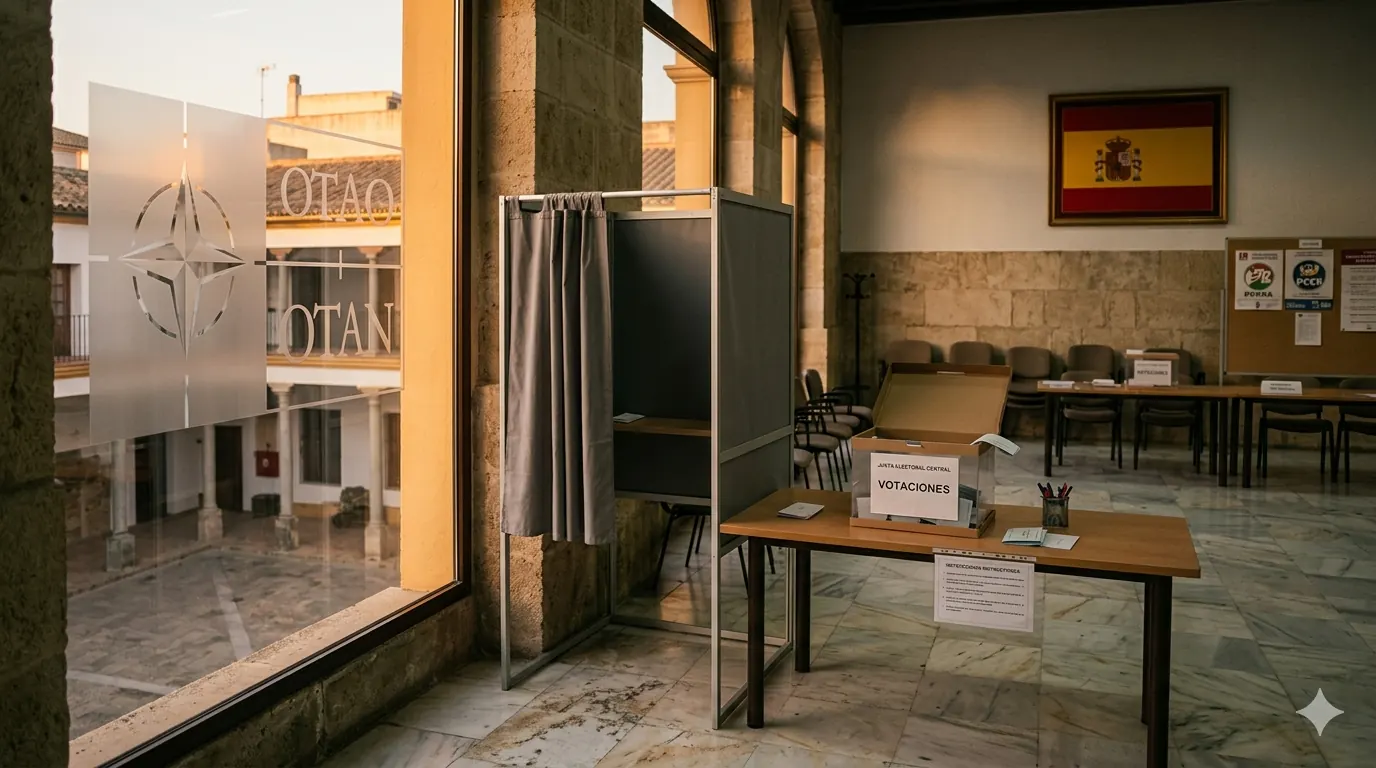
The intersection between the rental crisis and tourism is one of the most intense debates in Spanish politics in 2026. Vacation rentals are driving local residents out of their neighborhoods in cities with the greatest tourist pressure. In Barcelona, Palma, Madrid, Seville and Malaga, competition between residential and holiday rentals for the same stock of urban housing is a recognized factor in the increase in prices. The Andalusian elections of May 17 put this debate at the center of the campaign.
Share this article