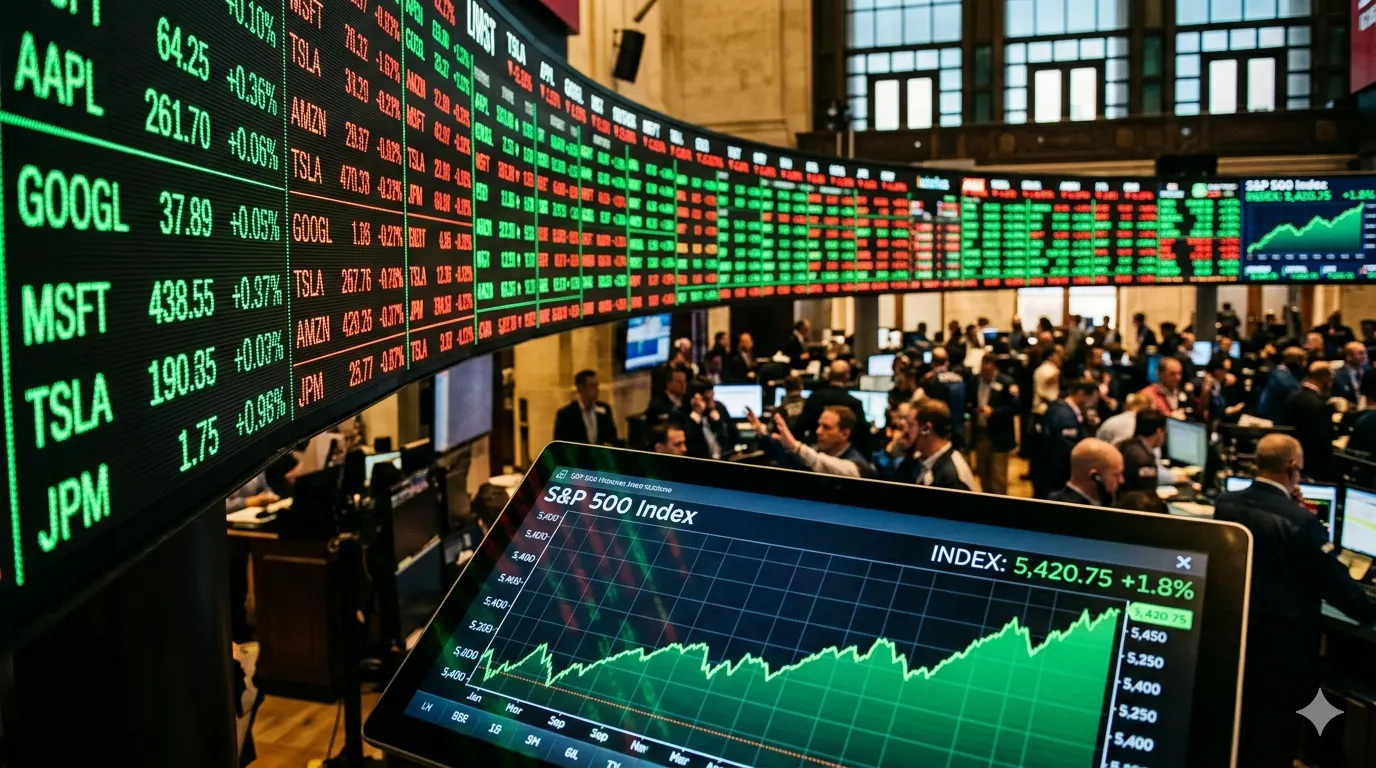
In the financial world there are assets that serve as a barometer of fear. Gold is the oldest and most universal of them. When investors fear inflation, geopolitical instability, depreciation of fiat currencies, or simply uncertainty, they buy gold. And in the last two years, they have had every reason to do so: war in the Middle East, trade conflict between the United States and China, downgrade of the American credit rating, global geopolitical tensions, and a monetary environment that has gone from rates at historic lows to rates at decade highs and back again.
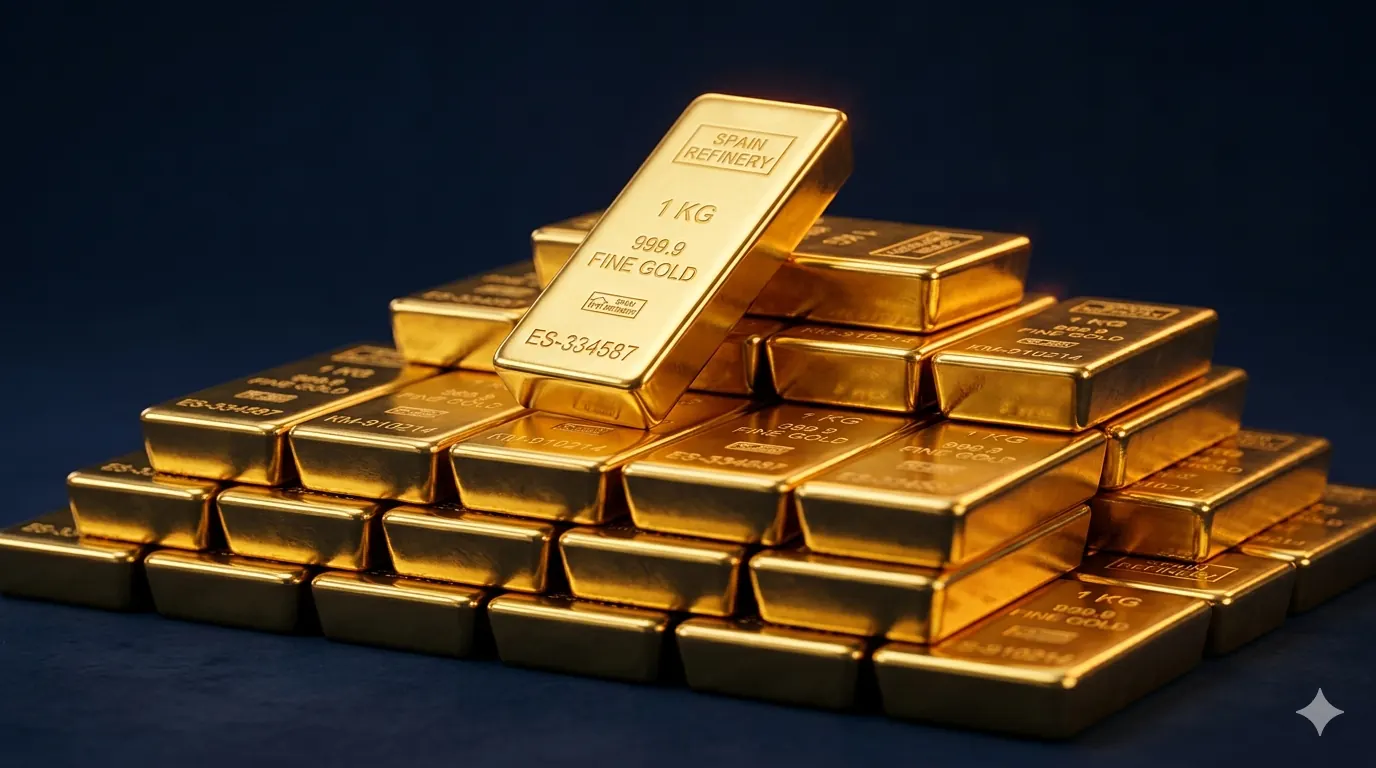
The result is a rally in the precious metal that has exceeded all forecasts. The closing of 2025 with an annual increase of 60%—the largest since 1979, the year of the second oil shock—was followed in 2026 by new historical highs that have taken the price to exceed $4,650 per ounce at times of greatest geopolitical tension. At the end of the reference week for this analysis, the price was around $4,503, consolidating the long-term upward trend.
The four engines of the rally
The analysts identify four confluent factors that explain the magnitude of the movement. The first is central bank demand: China, India, Poland, Turkey and several other emerging countries have been systematically buying gold as part of a reserve diversification strategy away from the dollar. This institutional demand has a structural component that does not disappear with short-term economic cycles.
The second factor is persistent inflation. Although US consumer inflation has moderated from 2022-2023 peaks, it remains above the Fed's 2% target, and recent PPI data suggests there may be new upward pressures. Gold has historically been one of the assets that best preserves purchasing power in sustained inflationary environments.
Gold — Key data 2025–2026
- Profitability 2025: +60% · best year since 1979
- All-time high 2026: $4,650/oz · surpassed multiple times
- Current price (May 2026): ~$4,503/oz
- Most bullish analyst target (J.P. Morgan, etc.): $6,300/oz in 2026
- Central bank demand: net buyers for 15 consecutive quarters
- Main current bearish factor: possible Fed rate hike that strengthens the dollar
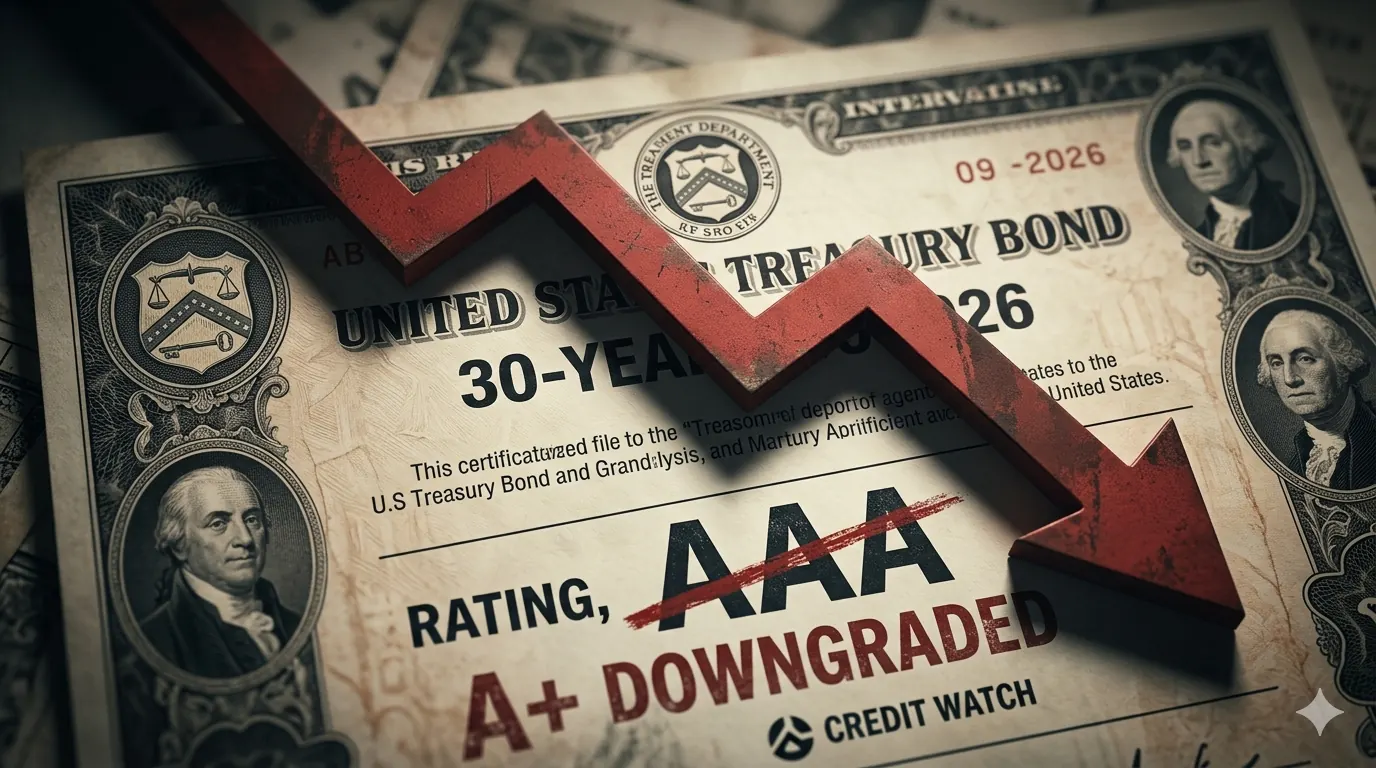
The third driver is geopolitics. The war in the Middle East, which has sent the price of Brent oil soaring above $107 per barrel, has also boosted demand for safe-haven assets. Investors seeking protection from conflict escalation scenarios have found a natural hedge in gold. The fourth, more structural, factor is the loss of confidence in American sovereign debt as a risk-free safe haven asset, accelerated by the downgrade by Moody's and the visible fiscal deterioration of the US.
Why do some analysts talk about $6,300?
The projection of $6,300 for gold in 2026, managed by some analysis tables, is not a consensus forecast but rather a bullish scenario conditional on several factors being maintained simultaneously: that the war in the Middle East prolongs, that American inflation rebounds, that the Fed cannot lower rates, and that demand from central banks continues. If all these conditions are met, there are analysts who consider that the level is achievable. The majority of the market considers it optimistic.
What is most relevant for the individual investor is not whether gold will reach 6,300 or stay at 4,500, but rather understanding what function it plays in a diversified portfolio. Gold does not generate dividends or interest; Its only source of profitability is price appreciation. In periods of high rates, like the current one, this characteristic works against it because bonds offer an alternative that does generate returns. The fact that gold has risen despite high rates says something about the magnitude of the forces driving it.
Share this article