For more than a century, US government debt was considered the quintessential risk-free asset. American Treasury bonds were the global reference point: the risk-free rate on which the entire international financial valuation architecture was built. That certainty was based, among other things, on the fact that the three major credit rating agencies—S&P, Fitch and Moody's—granted the American debt their maximum rating: triple A.
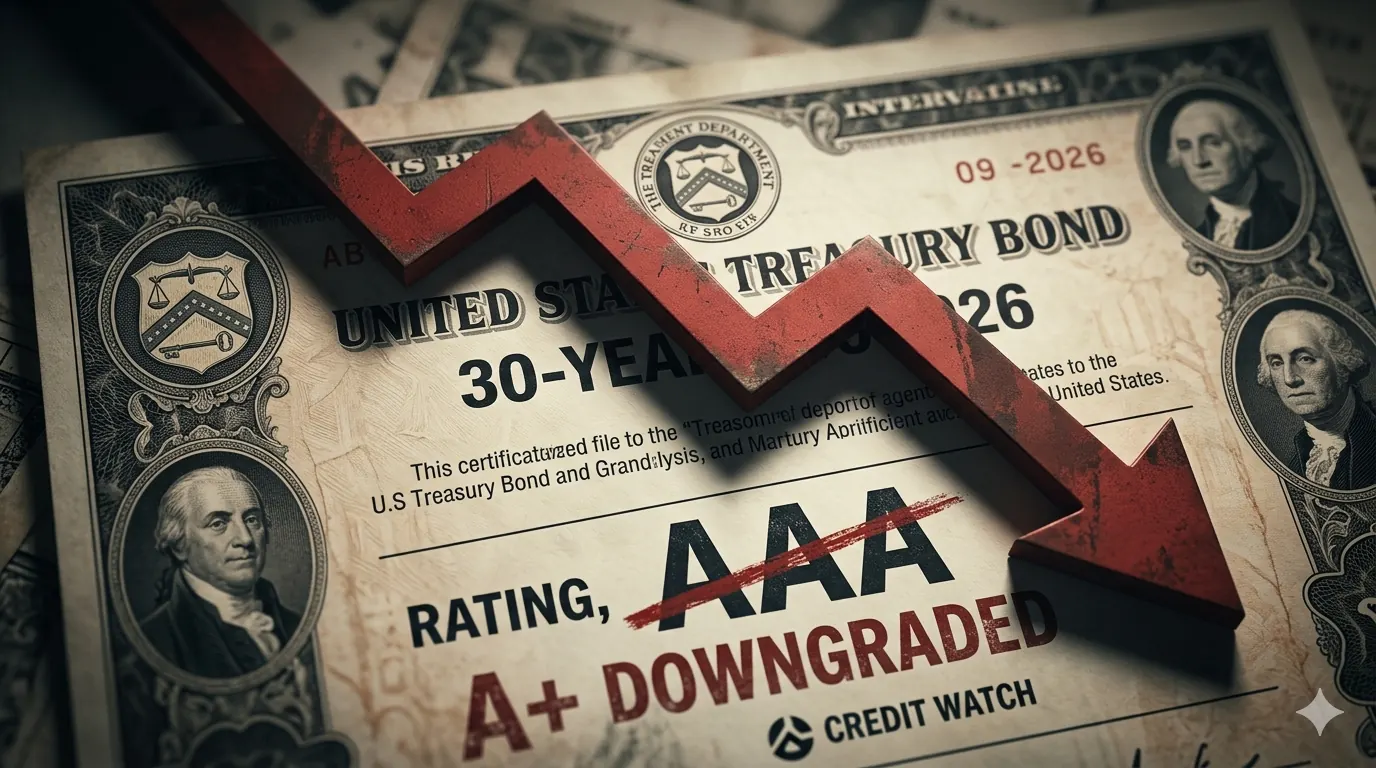
S&P was the first to break that unanimity, in August 2011, lowering the American rating for the first time in history. Fitch followed in their footsteps in August 2023. And on May 16, 2025, Moody's was the last to fall: it lowered the rating from Aaa to Aa1, completing what economists call the "loss of the last shield": none of the big three agencies anymore considers that American debt deserves the highest possible rating.
Why Moody's did it and why now
Moody's reasoning was explicit and direct: the American fiscal deficit has been increasing for a decade without any administration or Congress having taken serious measures to stop it. The public debt exceeds $36 trillion—approximately 125% of GDP—and interest payments on that debt already consume a proportion of the federal budget unprecedented in peacetime. Moody's projects that the deficit could reach almost 9% of GDP in 2035, from 6.4% today.
The moment is not coincidental. Moody's made the downgrade in the context of negotiations in Congress over Trump's tax package — the "big, beautiful bill" — which includes extensions of the 2017 tax cuts and new reductions. Congress's Joint Committee on Taxation estimated that such a package could increase the deficit by several trillion dollars over the next decade. Moody's downgrade was, in that sense, also a political message.
US debt — The numbers that worry you
- Total public debt: >$36 trillion (~125% of GDP)
- Fiscal deficit 2026 (projected): ~7% of GDP
- Projected deficit for 2035 (Moody's): up to 9% of GDP
- Current ratings: S&P AA+ (since 2011) · Fitch AA+ (since 2023) · Moody's Aa1 (since May 2025)
- Impact on citizens (according to analysts): makes mortgages, car loans and student debt more expensive
- Precedents: After the 2011 and 2023 downgrades, the S&P fell ~10% and then rose +35% in 12 months
What history says and what the market says
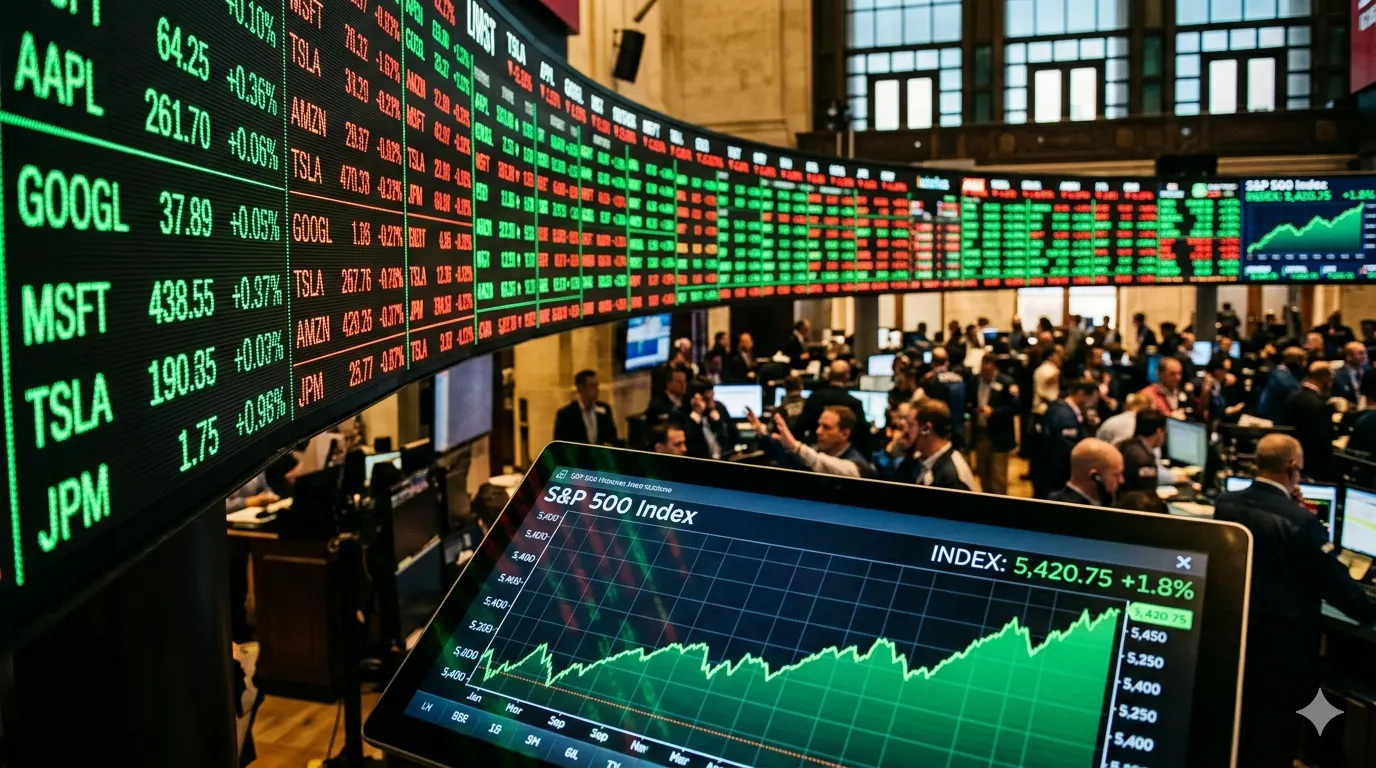
The historical precedents for reductions in American debt are striking. In August 2011, following the S&P downgrade, the S&P 500 fell 10.37% over the next 41 days. In August 2023, after the Fitch downgrade, it fell 10.31% in 58 days. In both cases, twelve months later, the index was 35-37% above the pre-downgrade level. The market has learned, in this sense, not to react permanently to these signals. The immediate reaction may be negative, but the fundamentals of the American economy—its size, its productivity, the role of the dollar as a global reserve currency—have consistently prevailed.
However, there are economists who warn that this history may not repeat itself indefinitely. The American debt in 2011 was 95% of GDP; today it is 125%. Interest payments in 2011 represented 1.7% of GDP; today they are close to 3%. There is a level of debt beyond which the markets are no longer forgiving, and although no one knows exactly where that threshold is, each new reduction and each new package of unfunded tax cuts brings the situation closer to that point.
Share this article