Why an Emergency Fund Comes Before Everything Else
An emergency fund is the boring foundation that makes every other financial goal possible. Without one, a single unexpected bill — a broken boiler, a medical expense, a sudden job loss — forces you onto a credit card or a loan, and the interest quietly undoes months of progress. With one, the same event is an inconvenience rather than a crisis. This is why almost every financial planner says to build it before you invest a cent.
How Much You Actually Need
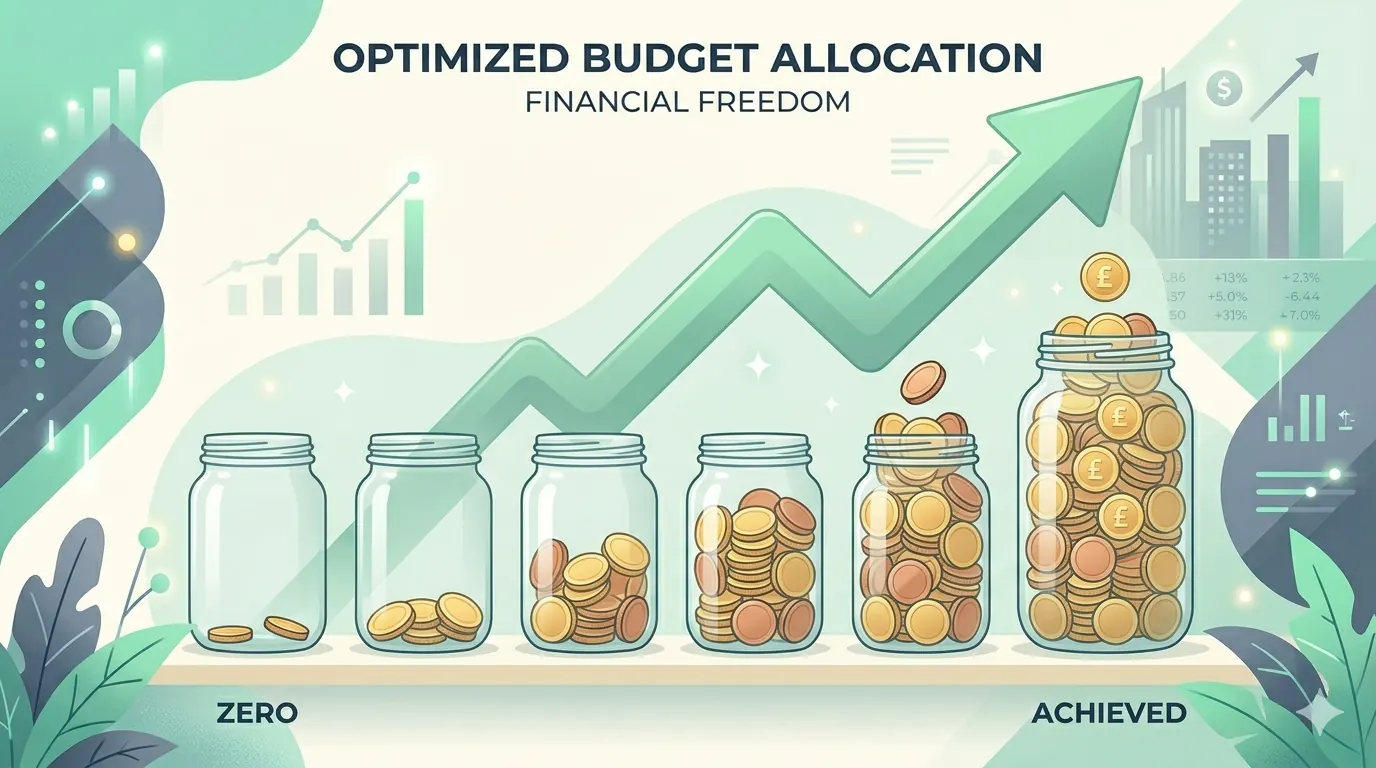
The common advice is three to six months of essential expenses, but that number scares people into doing nothing. Break it into stages instead. Your first target is a single €1,000 starter buffer, which already absorbs most of life's smaller shocks. Once that exists, build toward one month of essentials, then three, then six. Each milestone is a real win, not a distant mountain.
Note the word "essential": you are covering rent, food, utilities and transport, not your full lifestyle. A leaner target is faster to reach and still does the job.
Where to Keep It
An emergency fund has two requirements: it must be safe, and it must be available within a day or two. That rules out investments, which can fall in value exactly when you need the cash. The right home is a separate high-yield savings account — separate so you are not tempted to spend it, high-yield so inflation does the least damage. Do not chase returns here; this money's job is to exist, not to grow.
How to Build It From Zero
1. Automate a transfer on payday. Set up a standing order that moves a fixed amount to the savings account the day you are paid, before you can spend it. Even €50 a month starts the habit.
2. Use windfalls. Tax refunds, bonuses and gifts are the fastest way to jump a milestone. Send at least half straight to the fund.
3. Sell the buffer, not your comfort. A short, intense period of cutting non-essentials to seed the fund works better than a permanent, miserable budget you will abandon.
4. Bank one-off savings. When you cancel a subscription or negotiate a bill down, transfer the saved amount once. It feels painless because you never had the money in hand.
When and How to Use It
An emergency fund is for genuine emergencies — urgent, necessary and unexpected — not for a holiday or a sale. When you do use it, that is success, not failure: it did exactly its job. Afterwards, treat refilling it as your top priority again before resuming other goals.
Frequently Asked Questions
Should I build an emergency fund or pay off debt first?
Build the small €1,000 starter buffer first so a surprise does not push you deeper into debt, then attack high-interest debt aggressively, then finish the full fund. The starter buffer and debt payoff work together.
Is six months too much to keep in cash?
For most people it is the right balance of safety and peace of mind. If your income is very stable you may lean toward three months; if it is irregular or you are self-employed, six months or more makes sense.
Can I invest my emergency fund for better returns?
No. The point is guaranteed availability, and investments can drop in value precisely during the wider events — recessions, layoffs — that trigger emergencies. Keep it in cash savings.
Sources
Share this article